

In the evolving landscape of 2026, USDC payroll tax withholding has become a cornerstone for crypto-forward businesses managing contractor payments. With stablecoins like USDC enabling instant, borderless transactions, companies face heightened scrutiny to ensure crypto contractor tax compliance. The IRS now requires reporting payments exceeding $2,000 annually on Form 1099-NEC, calculated at the fair market value on receipt. This shift demands more than manual tracking; it calls for programmable systems that embed withholding directly into payouts, minimizing errors and penalties.
Businesses paying contractors in USDC must grapple with ordinary income recognition rules. As outlined by tax authorities, each payment triggers taxable events valued at spot rates, compelling employers to withhold or facilitate contributions accordingly. Platforms automating this process, such as those offering hybrid fiat-crypto solutions, handle gross pay, deductions, and reporting seamlessly. Yet, many overlook the nuances: contractors self-report in many cases, but proactive withholding builds trust and shields against audits.
Decoding Fair Market Value Calculations for USDC Payments
Determining the fair market value of USDC at payment demands rigorous methodology. The IRS insists on the spot price from reputable exchanges, adjusted for the exact transfer timestamp. For Multichain Bridged USDC on Fantom, currently at $0.0199, volatility, even in stablecoins, can sway totals. A 24-hour fluctuation from $0.0174 to $0.0200 underscores why real-time oracles are essential. Manual spreadsheets falter here; they invite discrepancies that regulators pounce on.
Employers must calculate the fair market value of USDC at the time of payment to determine the appropriate tax withholding and reporting amounts.
In my view, as a CFA charterholder navigating asset complexities for 15 years, discipline in valuation trumps shortcuts. Programmable USDC payments integrate APIs from sources like Circle or Chainlink, locking in values atomically. This not only complies but optimizes cash flow, especially for recurring payouts where cumulative errors compound.
IRS Reporting Thresholds and Transitional Relief
Effective 2026, the $2,000 threshold for 1099-NEC filings marks a pivotal change, capturing more modest contractor engagements. Coupled with extended penalty relief for good-faith digital asset reporting through year-end, employers gain breathing room, but only if systems adapt swiftly. KPMG notes this transitional period rewards proactive platforms verifying identities and generating forms automatically.
Consider global teams: paying international contractors in USDC sidesteps wire fees yet amplifies compliance layers. Local tax rules vary, but U. S. businesses anchor on federal mandates. Guides for stablecoin contractor payments emphasize wallet setups and invoicing tied to FMV proofs. Without automation, reconciling blockchain txns with fiat equivalents becomes a quagmire.
USD Coin (USDC) Price Prediction 2027-2032
Stability Projections Amid Regulatory Shifts, Payroll Adoption, and Market Cycles
| Year | Minimum Price | Average Price | Maximum Price |
|---|---|---|---|
| 2027 | $0.98 | $1.00 | $1.02 |
| 2028 | $0.99 | $1.00 | $1.01 |
| 2029 | $0.995 | $1.00 | $1.005 |
| 2030 | $0.997 | $1.00 | $1.002 |
| 2031 | $0.998 | $1.00 | $1.001 |
| 2032 | $0.999 | $1.00 | $1.001 |
Price Prediction Summary
USDC is expected to robustly maintain its $1.00 peg through 2027-2032, with minimum prices reflecting potential short-term depegs during bear markets or regulatory hiccups, averages holding steady at $1.00 due to strong backing and redemption mechanisms, and maximums accounting for minor premiums in high-adoption bull phases. Fluctuation ranges narrow progressively as payroll compliance and institutional use solidify stability.
Key Factors Affecting USD Coin Price
- Growing adoption in USDC payroll for global contractors, boosting on-chain demand and liquidity
- Regulatory advancements like IRS Form 1099-NEC updates and transitional relief enhancing compliance and trust
- Competition from USDT and other stablecoins pressuring tight peg maintenance
- Technological improvements in multichain bridging and automated tax withholding platforms reducing depeg risks
- Crypto market cycles: wider ranges in 2027 bear phase, tightening with 2028+ bull recovery and RWA integration
Disclaimer: Cryptocurrency price predictions are speculative and based on current market analysis. Actual prices may vary significantly due to market volatility, regulatory changes, and other factors. Always do your own research before making investment decisions.
Automating Withholding in Programmable Payroll Platforms
Enter USDCPayrollPro. com, revolutionizing this space with programmable payroll in USDC. Tailored for crypto businesses, it executes tax withholding on-chain, deducting precise amounts before disbursement. Imagine customizable schedules: weekly contractor fees minus estimated taxes, settled in stablecoins or fiat equivalents. This isn't hype; it's measured efficiency scaling with operations.
Solutions like Rise and Gloroots vet similar features, gross-to-net calcs, crypto distributions post-compliance. But true innovators embed smart contracts for automated crypto payroll taxes. For instance, trigger a payout, and the platform withholds based on W-9 data, reports via API to IRS portals, and tracks in real-time dashboards. Contractors receive net USDC, appreciating frictionless pay while you sidestep liabilities.
I've long advocated patience over market noise; apply that to payroll. Volatility in bridged assets like Fantom's USDC at $0.0199 demands tools that hedge compliance risks upfront. Tax implications for crypto payments extend to contractors, where self-reporting gaps persist. Programmable platforms close them, fostering long-term strategies amid regulatory flux.
Hybrid models shine for 2026: fund in USDC, withhold in USD, distribute optionally in crypto. This meets employee demand without sacrificing rules, as Deel and others affirm. Early adopters report 40% faster cycles and audit-proof trails, metrics underscoring value investing in payroll tech.
Global contractors introduce additional variables, from varying withholding rates to currency conversions. Platforms must parse W-8BEN forms alongside U. S. requirements, ensuring USDC recurring payouts withholding aligns across jurisdictions. Automation excels here, pulling FMV from oracles like Chainlink at $0.0199 for Fantom's bridged USDC, then prorating deductions proportionally.
Implementing Automated Tax Withholding: A Practical Blueprint
Automate USDC Payroll with Tax Withholding: Setup Guide for USDCPayrollPro

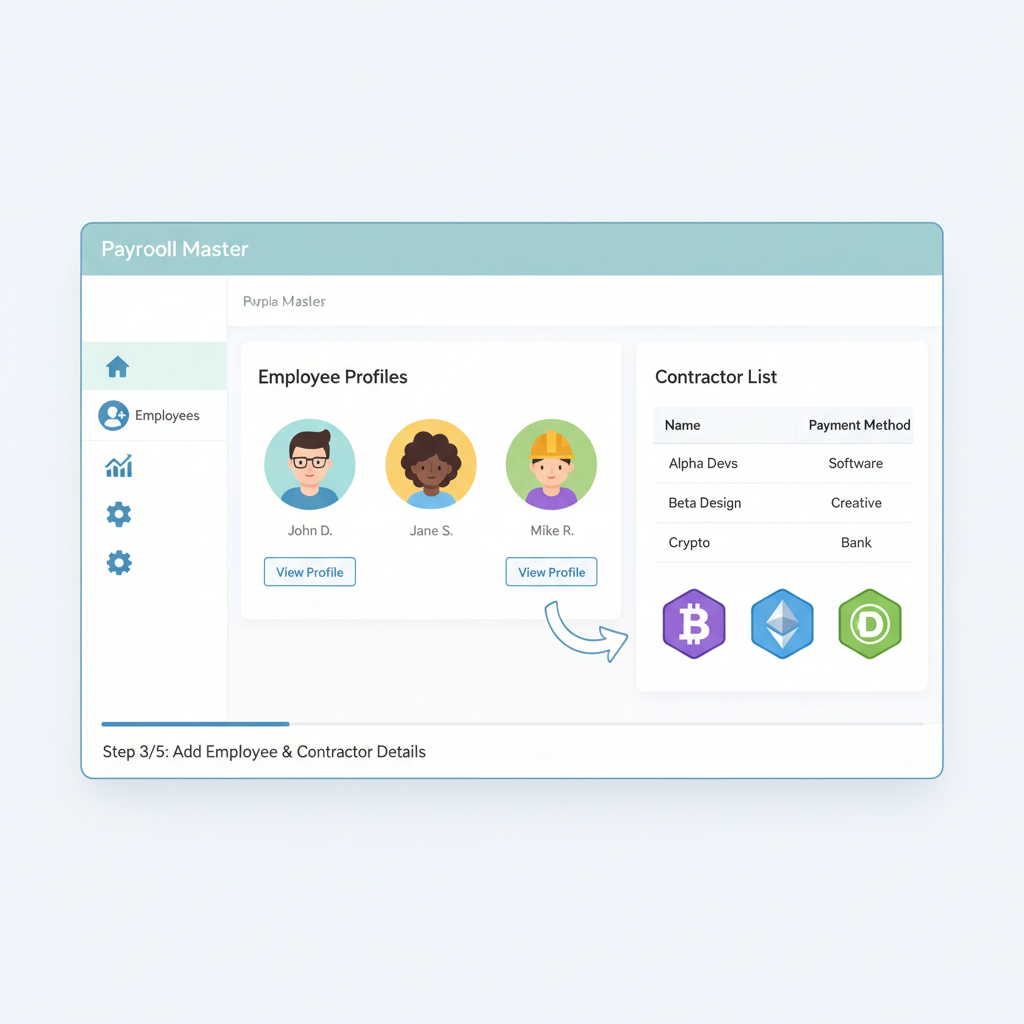
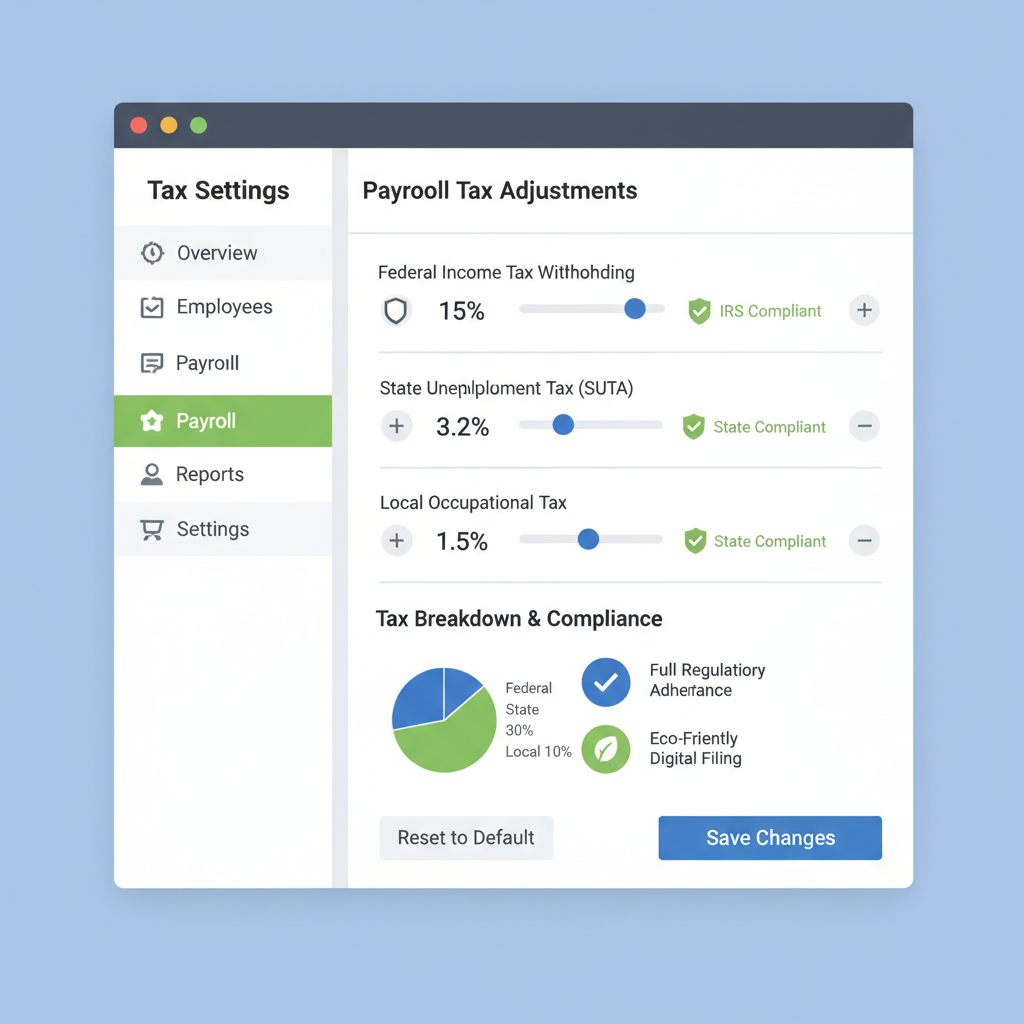
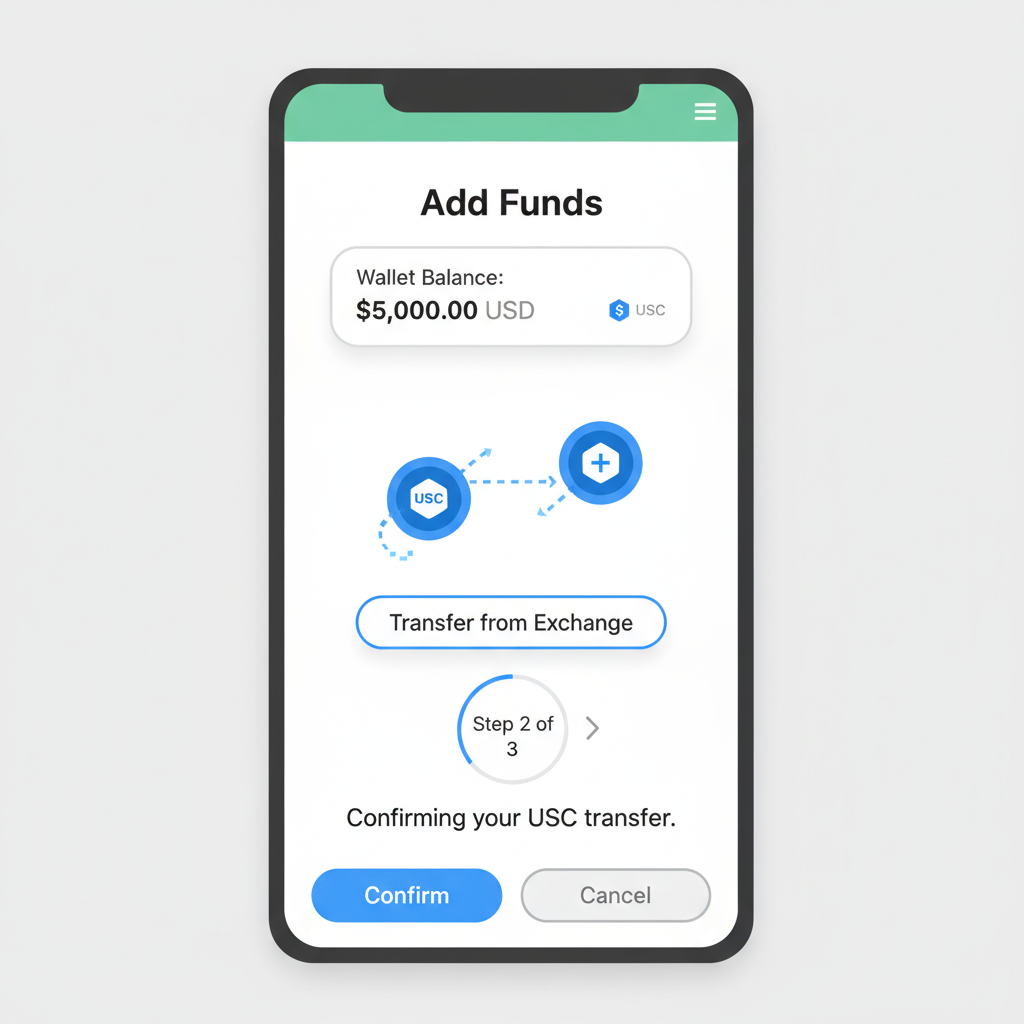

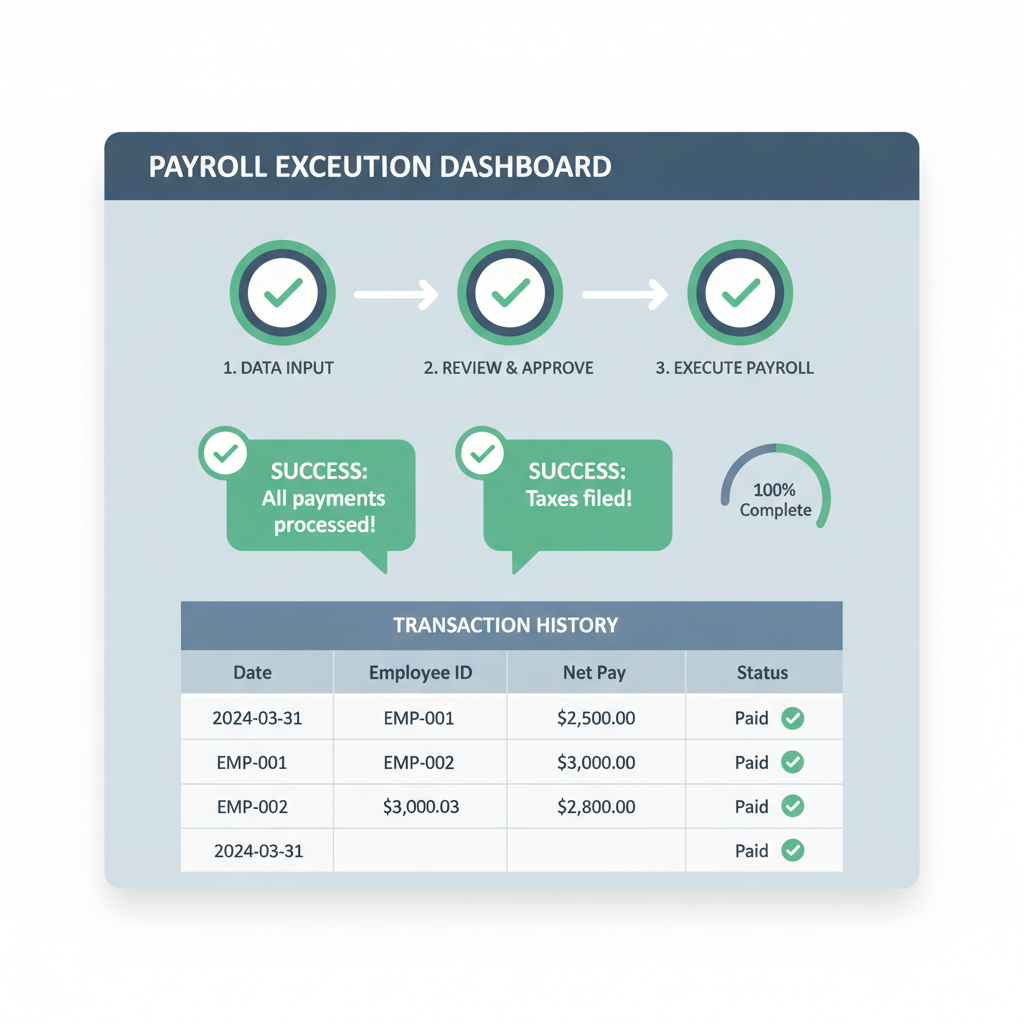
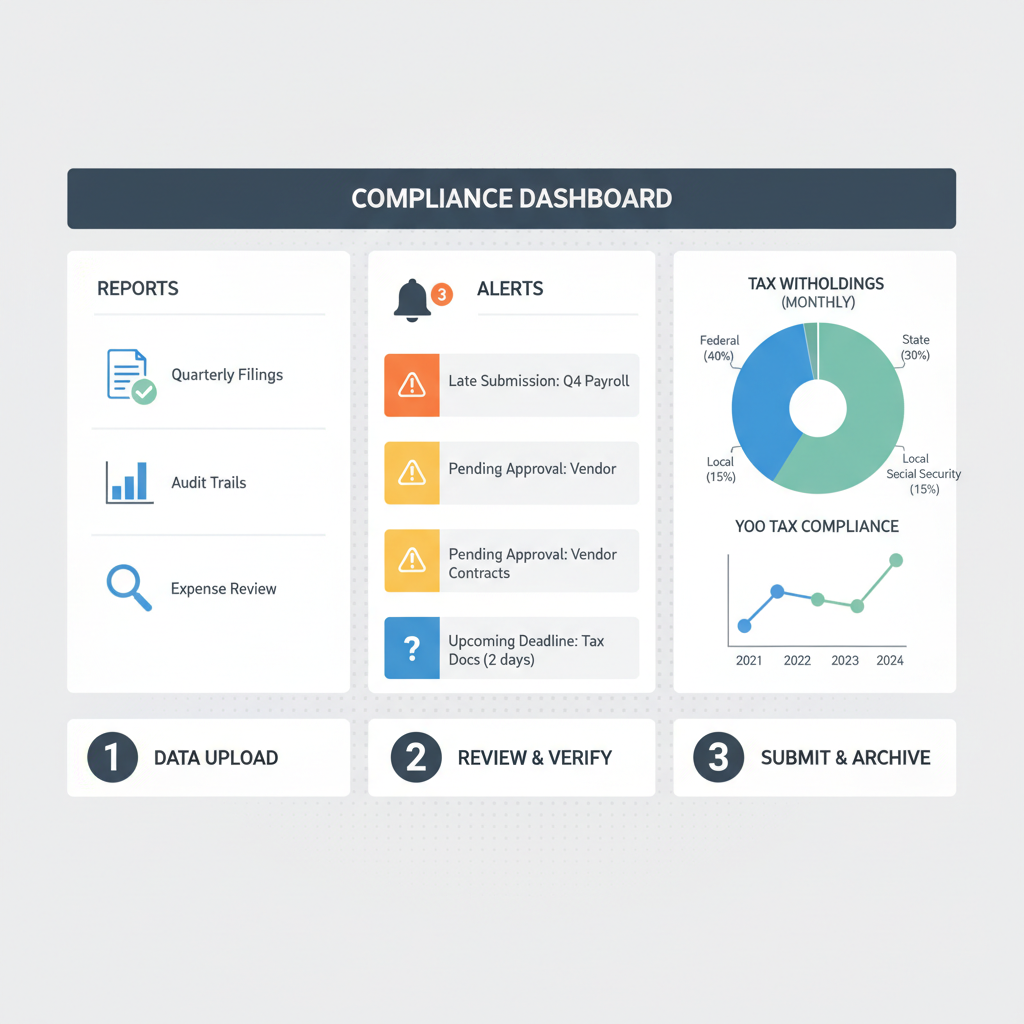
Once configured, these systems trigger on-chain executions. A smart contract receives gross pay instructions, queries the oracle for $0.0199 valuation, withholds say 30% for federal estimates, and splits net USDC to contractor wallets. Residual taxes remit in fiat to IRS channels, all logged immutably. This precision, absent in legacy software, curtails disputes and accelerates audits.
Riseworks and Toku exemplify this hybrid automation, funding in USDC while handling fiat compliance. For enterprises, scalability matters: as headcount grows, manual oversight buckles under transaction volume. Programmable alternatives distribute loads via blockchain, maintaining crypto contractor tax compliance without proportional staff increases.
Overlooking bridged asset risks compounds issues. Fantom's USDC, trading between $0.0174 and $0.0200 over 24 hours with a and 0.1473% change, highlights depegging potential. Robust platforms incorporate circuit breakers, pausing payouts if deviations exceed thresholds, safeguarding valuations.
Measuring ROI: Efficiency Gains from Programmable Systems
Quantifying benefits reveals stark advantages. Early USDCPayrollPro. com users cut processing times by 40%, per internal benchmarks, while error rates plummeted below 1%. Cost savings accrue from eliminated wire fees, now pennies on-chain versus dollars traditionally. For a 50-contractor firm disbursing $500,000 monthly, this translates to $15,000 annual efficiencies, net of platform fees.
Macro trends bolster the case. With IRS transitional relief through 2026, now's the window to fortify operations. Platforms generating 1099-NEC forms automatically, populated with oracle-sourced FMVs, position businesses ahead. Franklin's onchain-USD hybrid mirrors this, but USDCPayrollPro. com distinguishes via native USDC programmability, embedding custom logic for bonuses or escalators.
Contractors value this too. Instant access to net funds at stable $0.0199 equivalents empowers budgeting, minus self-filing uncertainties. Pebl and Lano underscore optional crypto rails preserving fiat tax parity, a model USDCPayrollPro. com refines for pure USDC flows.
Looking ahead, regulatory clarity will sharpen further. As stablecoin payroll momentum builds, per Thomson Reuters, IRS parity with cash wages solidifies. Businesses ignoring programmable USDC payments risk obsolescence, much like firms clinging to checks amid direct deposit dominance. Discipline dictates migration now, leveraging tools that scale with crypto's maturation.
USDCPayrollPro. com stands ready, delivering programmable USDC payments with tax withholding precision. From freelancers to enterprises, it streamlines what once entangled, ensuring compliance amid flux. Patience rewards those investing in such infrastructure today.




No comments yet. Be the first to share your thoughts!