Cross-Border USDC Contractor Payroll: Automate Tax Withholding and On-Chain Payouts for Global Teams 2026

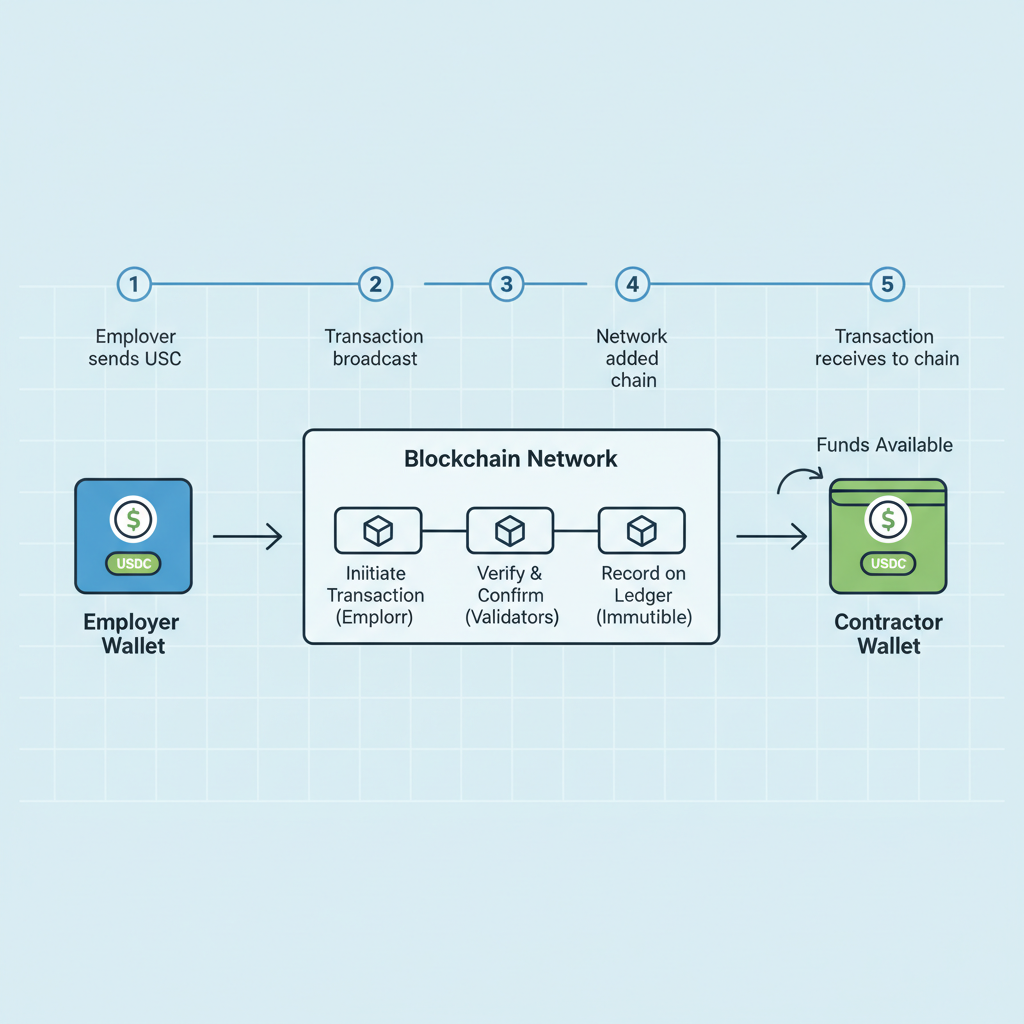
Managing payroll for global contractors in 2026 feels like navigating a labyrinth of currencies, time zones, and tax regimes. Traditional wires drag on for days, skim 3-8 percent in fees, and tangle compliance into knots. Blockchain flips this script. With USDC contractor payroll, businesses trigger instant cross-border USDC payments that settle on-chain, slashing costs and boosting transparency for teams spread across continents.

Stablecoins like USDC anchor payments to the dollar, sidestepping volatility that plagues other cryptos. Platforms now weave in crypto tax withholding automation, calculating deductions at fair market value the moment funds transfer. This mirrors cash wage rules, as noted by payroll experts, ensuring employers withhold and remit taxes seamlessly without dual classifications that snag tokenized assets.
Why USDC Excels in Cross-Border Contractor Scenarios
USDC’s peg delivers predictability; contractors in 100 and countries receive exact value without forex gouges. Take Toku’s Polygon rollout: instant payouts integrate with HR systems for contracts, withholding, and filings. Remote pairs with Stripe on Base for 69 nations, while Rise flags jurisdictions via Circle ties. Dots APIs handle onboarding, real-time tracking, even notifications. These tools automate what banks fumble.
Consider fees: blockchain nips them to fractions of a percent. Speed? Seconds, not days. Compliance shines too. Many nations greenlight crypto for contractors; Rise auto-detects restrictions. Employers log USDC’s transfer value as wages, withhold accordingly, and report on-chain proofs that auditors crave. No more chasing receipts across borders.
Traditional international payroll often incurs 3, 8 percent in fees and takes days to process. – Ogletree
Unlocking On-Chain Payroll Tax Remittance
On-chain payroll tax remittance programs smart contracts to escrow withholdings, auto-remit to treasuries, and notify recipients. Imagine programmable logic: if invoice hits $5,000, deduct 20 percent for source-country taxes, route to IRS equivalent, payout net USDC. USDCPayrollPro. com pioneers this for crypto-forward firms, blending recurring schedules with real-time ledgers.
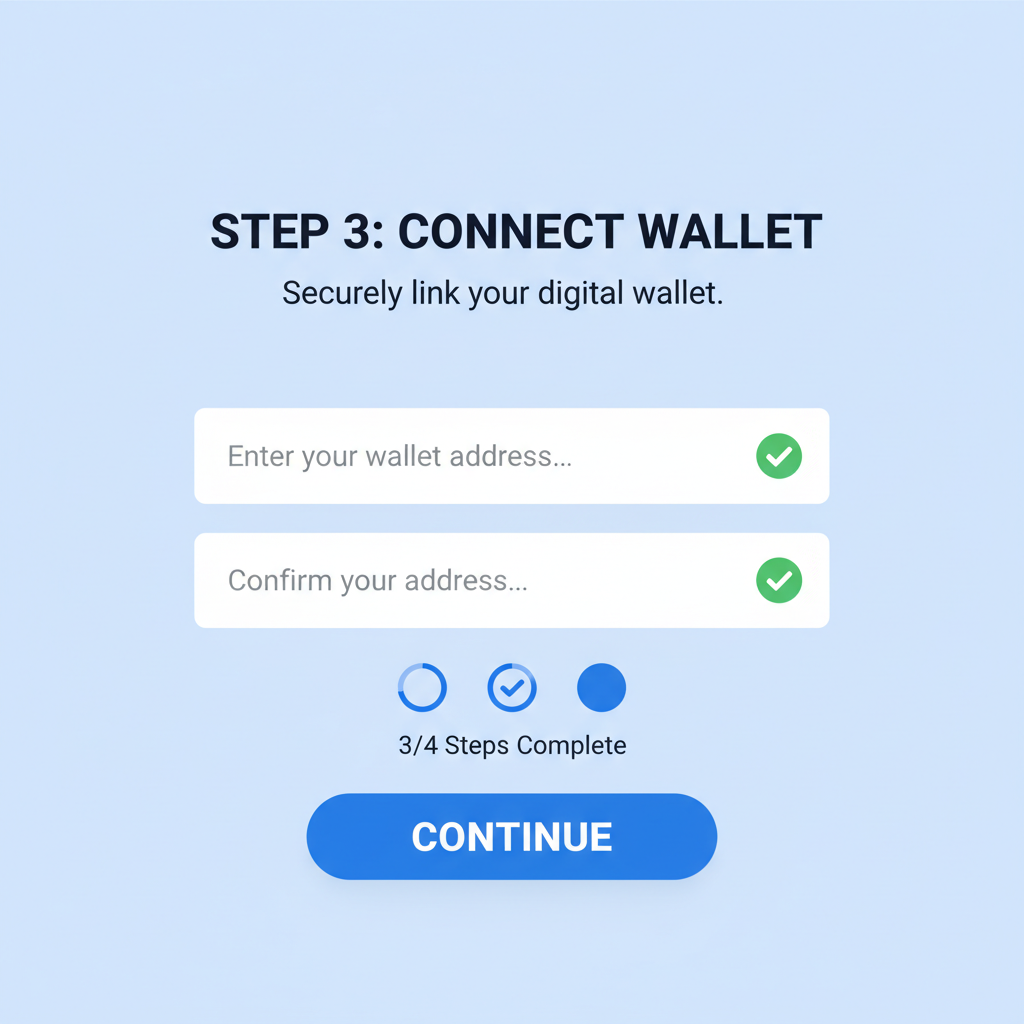
Riseworks’ 2026 update flags allowances; Lano stresses uniform withholding. Gloroots warns of crypto tax pitfalls, but USDC simplifies: no capital gains on receipt if held stable. Platforms like Bitwage tout low-fee transparency; Deel mandates FMV logging. Step-by-step, employers onboard via wallets, set rules, trigger batches. Slash automates to 160 countries, yet blockchain edges with immutability.
Multichain Bridged USDC (Fantom) Price Prediction 2027-2032
Price stability outlook for cross-border USDC contractor payroll, maintaining ~$0.015 peg on bridged networks amid growing adoption
| Year | Minimum Price | Average Price | Maximum Price | YoY % Change (Avg) |
|---|---|---|---|---|
| 2027 | $0.0145 | $0.0149 | $0.0155 | 0.00% |
| 2028 | $0.0146 | $0.0150 | $0.0157 | +0.67% |
| 2029 | $0.0148 | $0.0152 | $0.0160 | +1.33% |
| 2030 | $0.0150 | $0.0154 | $0.0162 | +1.32% |
| 2031 | $0.0152 | $0.0157 | $0.0165 | +1.95% |
| 2032 | $0.0154 | $0.0160 | $0.0169 | +1.91% |
Price Prediction Summary
Bridged USDC on Fantom is projected to exhibit strong price stability around the $0.015 level through 2032, with a modest upward trajectory driven by expanding use in automated cross-border payroll solutions from platforms like Rise, Remote, Toku, and Dots. Minimum prices reflect bearish market cycles or temporary depegs, averages align with the maintained peg, and maximums capture bullish adoption surges. Overall growth of ~7.4% in average price by 2032 from 2026 baseline.
Key Factors Affecting USD Coin Price
- Increased adoption in crypto payroll for global teams, enabling instant low-fee payouts and tax compliance
- Regulatory advancements supporting stablecoin use in payroll across 100+ countries
- Technological improvements in bridging protocols to minimize depeg risks
- Crypto market cycles influencing liquidity and volatility on Fantom network
- Competition from native USDC and other stablecoins like USDT bridged variants
- Enhanced integrations with HR systems for automated withholding and on-chain reporting
Disclaimer: Cryptocurrency price predictions are speculative and based on current market analysis.
Actual prices may vary significantly due to market volatility, regulatory changes, and other factors.
Always do your own research before making investment decisions.
This automation scales; freelancers bill weekly, enterprises monthly. No intermediaries inflate costs. Contractors cash out to local banks or hodl, empowered by choice. Yet caution tempers optimism: peg risks exist, though Circle’s reserves fortify trust. Regulators evolve; 2026 sees more jurisdictions embrace, per Toku guides.
Building Compliant Global Teams with Programmable Payouts
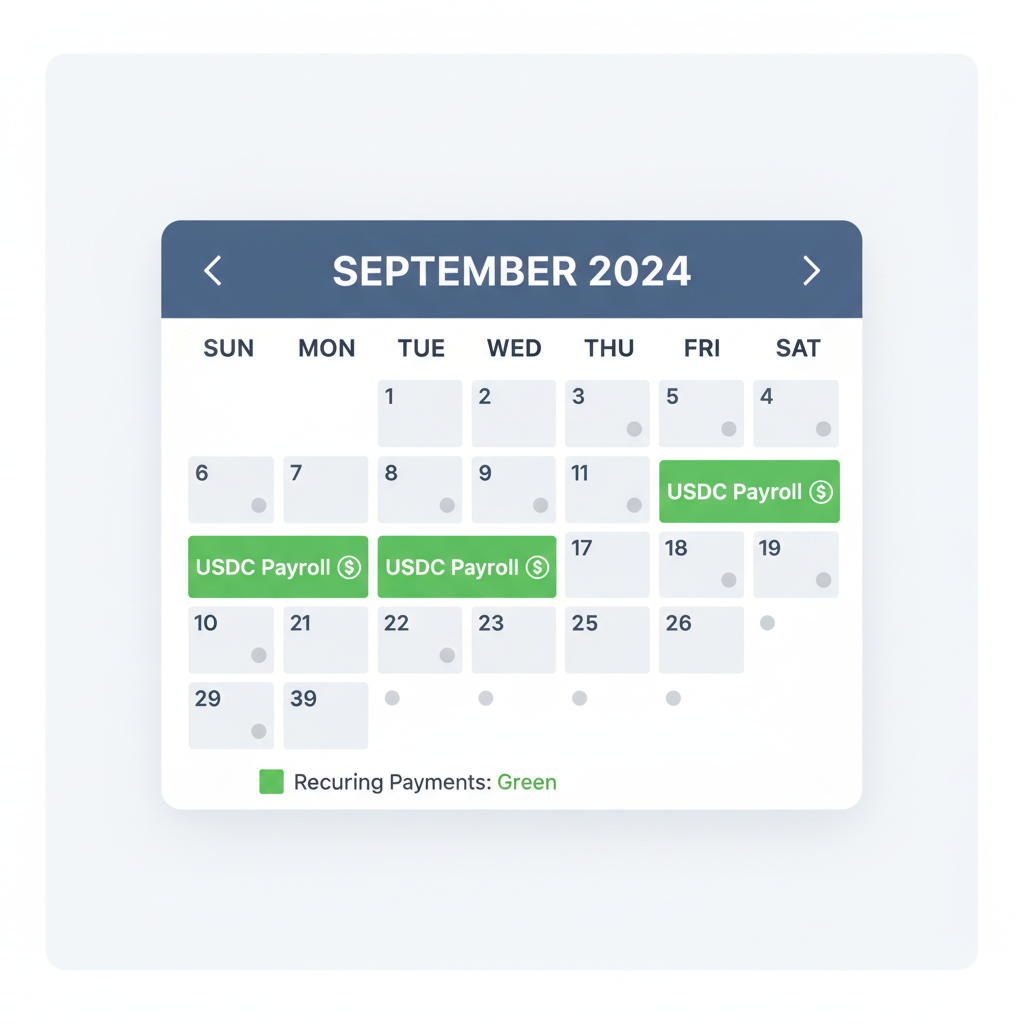
Programmable USDC recurring payouts let firms code cadence: bi-weekly triggers, variable bonuses, even performance tiers. Integrate with time-tracking; API calls execute. Dots excels here, syncing compliance across payroll runs. For US firms, Form 1099s generate from chain data, slashing accounting hours.
Peek at USDC payroll streamlining: setups in 60 seconds cut costs 80 percent. Another view on paying international contractors with USDC details withholding flows. These evolutions crown blockchain contractor payments 2026 as viable, not fringe.
Freelancers in Manila or developers in Bogotá now expect these efficiencies, and forward-thinking companies deliver without the legacy drag. I’ve watched payroll evolve over decades; blockchain’s programmability marks a genuine inflection, much like index funds democratized investing for the masses.
Navigating Tax Withholding in a Multi-Jurisdiction World
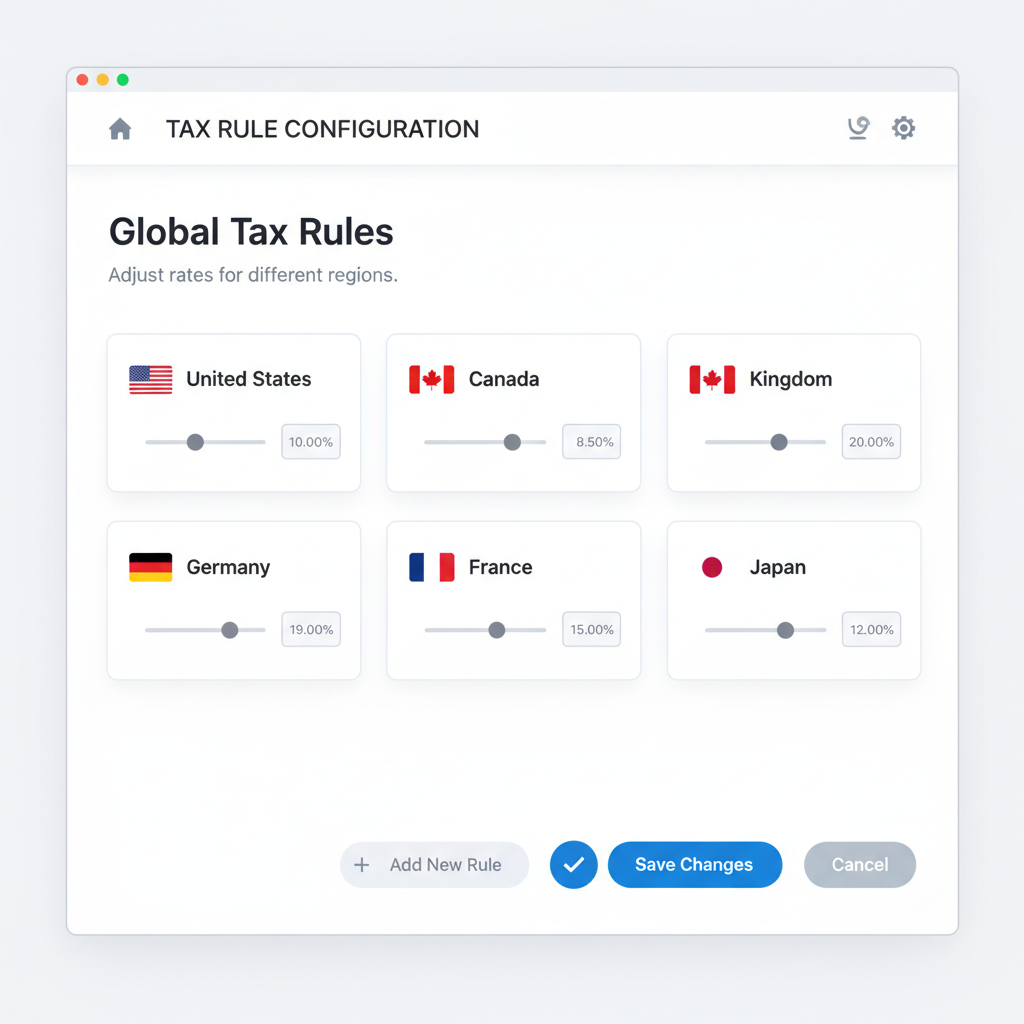
Tax rules demand nuance. US employers treat USDC payouts as wages at transfer-time fair market value, withholding federal income, Social Security, and Medicare shares just like fiat. For non-US contractors, source-based taxes apply; platforms auto-calculate rates per jurisdiction. Rise’s Circle integration flags restrictions, while Toku’s Polygon solution bundles filings. Dots APIs even generate reports compatible with QuickBooks or Xero, turning chain data into audit-ready formats.
Overlooked? Contractor self-reporting. USDC’s transparency aids their filings; on-chain proofs verify receipts without bank statements. Peg stability at $0.0149 for bridged variants like Fantom’s Multichain USDC minimizes disputes, as contractors convert seamlessly. Yet, opinion: businesses must prioritize platforms with escrow for withholdings. Loose setups invite IRS scrutiny, eroding the cost savings.
Automate USDC Payroll: Onboard Wallets, Withhold Taxes & Pay Global Teams On-Chain
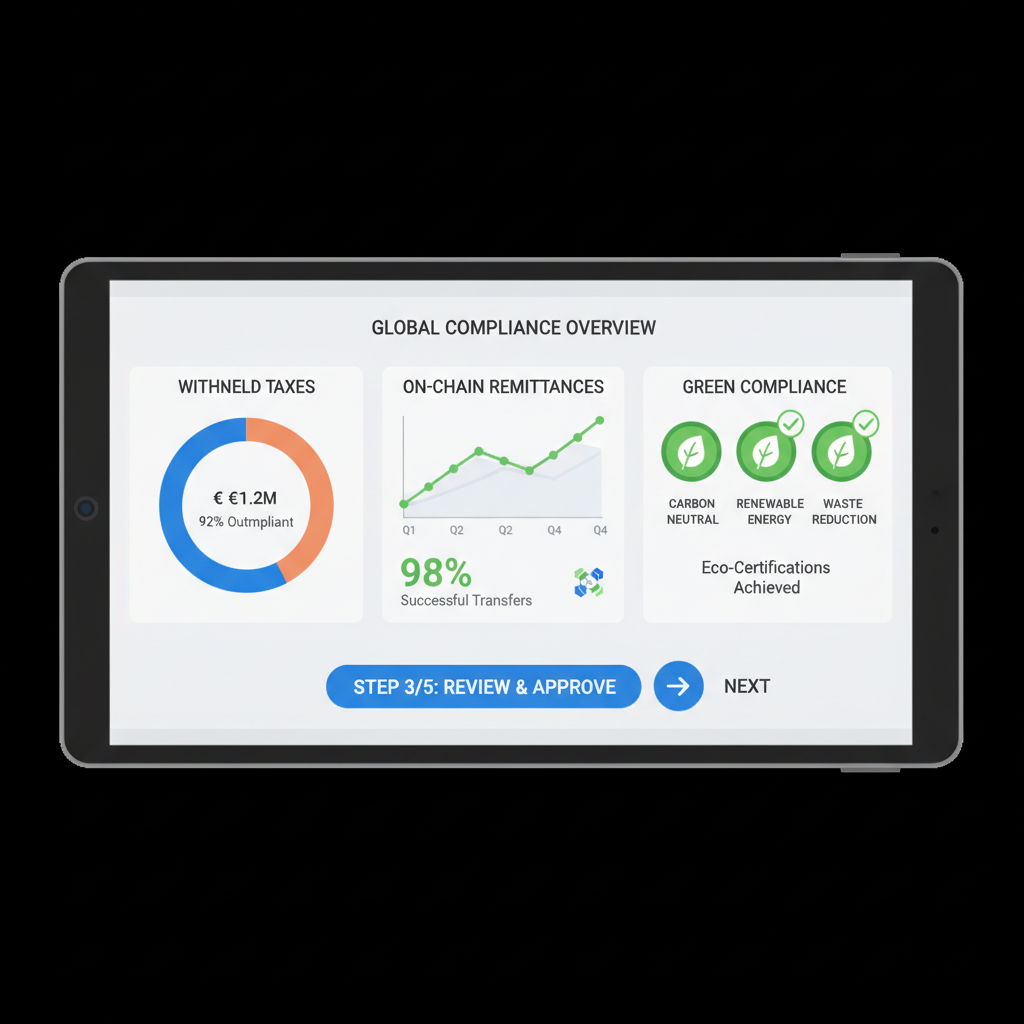
Compliance isn’t optional; it’s the moat. Platforms like Remote on Base cover 69 countries, Slash hits 160 via fiat ramps, but pure on-chain shines for audit trails. Bitwage emphasizes low fees, Gloroots tax pitfalls; pair them with programmable logic for resilience.
Cost Breakdown: Traditional vs. Blockchain Payroll
Traditional Wire Payroll vs. USDC On-Chain Payroll (2026)
| Aspect | Traditional Wire Payroll | USDC On-Chain Payroll |
|---|---|---|
| Fees | 3-8% | <0.1% 💰 |
| Speed | 3-5 days | Seconds ⏱️ |
| Compliance | Manual | Automated (tax withholding & reporting) |
| Countries Covered | Limited (~50) | 100+ (Toku: 100+, Remote: 69+, Rise) |
| Key Platforms | – | Toku (Polygon), Rise (Circle), Remote (Stripe/Base) |
Numbers tell the story. A $10,000 monthly batch to five contractors? Wires eat $1,500 in fees yearly; USDC drops that to $50. Scale to 50 hires, savings compound. Speed frees cash flow; withholdings remit instantly to treasuries, no float losses. Programmable schedules sync with milestones, bonuses auto-vest on deliverables verified via oracles.
I’ve advised firms on dividend reliability; similarly, USDC’s reserves underwrite payroll certainty. Circle’s attestations, now monthly, fortify this. Risks? Network congestion or oracle fails, but Layer 2s like Polygon and Base mitigate admirably. 2026’s landscape favors adopters: Deel’s FMV logging, Lano’s uniform rules, Pebl’s stablecoin simplicity.
Global teams thrive here. A SaaS startup pays devs in Warsaw weekly; an agency routes marketing gigs to Nairobi bi-monthly. All with one dashboard. USDCPayrollPro. com embeds this: tax automation, contractor portals, recurring USDC flows. Tailored for crypto businesses, it scales from solopreneurs to enterprises, cutting hassles while embedding compliance.
Forward-thinkers act now. As jurisdictions like the EU’s MiCA framework mature, on-chain payroll cements advantages. Contractors gain speed and choice; firms reclaim margins. Time in efficient systems beats chasing wires. Explore embedded wallet USDC payroll for seamless starts. Blockchain contractor payments in 2026 aren’t hype; they’re operational reality, rewarding the prepared.