USDC Payroll Tax Withholding for Crypto Contractors: Automate Compliance in 2026

As crypto-forward businesses increasingly turn to USDC for contractor payments, the landscape of payroll tax withholding has grown more intricate by 2026. Stablecoins like USDC offer speed and borderless efficiency, yet they demand rigorous compliance with IRS rules treating them as ordinary income at fair market value upon receipt. For conservative operators prioritizing long-term stability, automating these processes isn’t a luxury; it’s essential to mitigate risks amid regulatory evolution.

Fair Market Value: The Cornerstone of USDC Payroll Taxation
Every USDC payout to contractors triggers income recognition based on its fair market value in USD at the transfer moment, per IRS guidance. This valuation underpins withholding obligations, mirroring cash wages. Platforms must capture real-time pricing to ensure accuracy, avoiding penalties from discrepancies. In my 18 years analyzing markets, I’ve seen volatility claim the unwary; USDC’s peg provides relative stability, but bridged variants like Multichain Bridged USDC on Fantom trade at $0.0149, underscoring diligence in sourcing reliable oracles.
Employers withhold federal income taxes, FICA, and potentially state levies on this value, just as with fiat. Failure here invites audits, especially with IRS broker reporting mandates tightening. Programmable solutions shine here, embedding deductions into smart contracts for immutable compliance.
Consider USDCPayrollPro. com: it automates USDC payroll tax withholding, pulling live valuations and executing withholdings on-chain. This aligns with conservative principles, favoring verifiable, low-volatility systems over manual ledgers prone to error.
Navigating 2026’s Updated 1099-NEC Thresholds
The IRS has raised the Form 1099-NEC reporting threshold to $2,000 for 2026, easing burdens for low-volume crypto contractor payments while intensifying scrutiny on larger sums. Independent contractors still self-report crypto contractor payments taxes, but payers must furnish statements capturing USDC’s USD equivalent. This shift demands updated payroll software capable of threshold tracking and form generation.
Employers are required to withhold payroll taxes on crypto wages just as they would on cash wages. (Source: Lano. io)
Transitional relief extends through 2026, yet proactive firms integrate programmated USDC payroll compliance now. Tools like those at USDCPayrollPro. com handle this seamlessly, generating compliant 1099s and remitting withheld taxes to authorities, reducing administrative drag.

State Variations Demand Tailored Strategies
Federal rules set the baseline, but states layer unique requirements. California mandates detailed agreements and records for crypto payrolls, while Texas keeps it minimal. New York scrutinizes stablecoin classifications. Businesses with distributed contractors must map these, a task automation excels at via geofenced compliance engines.
This guide outlines steps for global USDC payments, emphasizing state-aligned withholding. Pair it with platforms offering KYC/AML and real-time deductions for robust defense.
Automated tax deductions via USDC streamline this patchwork, ensuring payouts net of obligations. For enterprises scaling contractor networks, such precision preserves capital and reputation, echoing timeless investing maxims: control what you can, diversify risks prudently.
In practice, businesses leveraging automated tax deductions USDC platforms report fewer compliance hiccups, freeing capital for core operations. This approach resonates with my fundamental analysis ethos: strip away inefficiencies to reveal true value. Manual tracking invites human error; programmable systems enforce precision at scale.
Leveraging Automation: Platforms That Deliver IRS Crypto Payroll Rules 2026
Forward-thinking providers like USDCPayrollPro. com embed tax logic directly into USDC transactions, calculating withholdings via trusted oracles and escrowing funds for remittance. This on-chain execution minimizes disputes, as every deduction logs immutably. Contrast this with legacy software struggling to parse blockchain data; automation bridges the gap, handling everything from valuation at $0.0149 for bridged USDC variants to batch 1099 filings.
Automate Compliant USDC Payroll: Step-by-Step Tax Withholding Setup
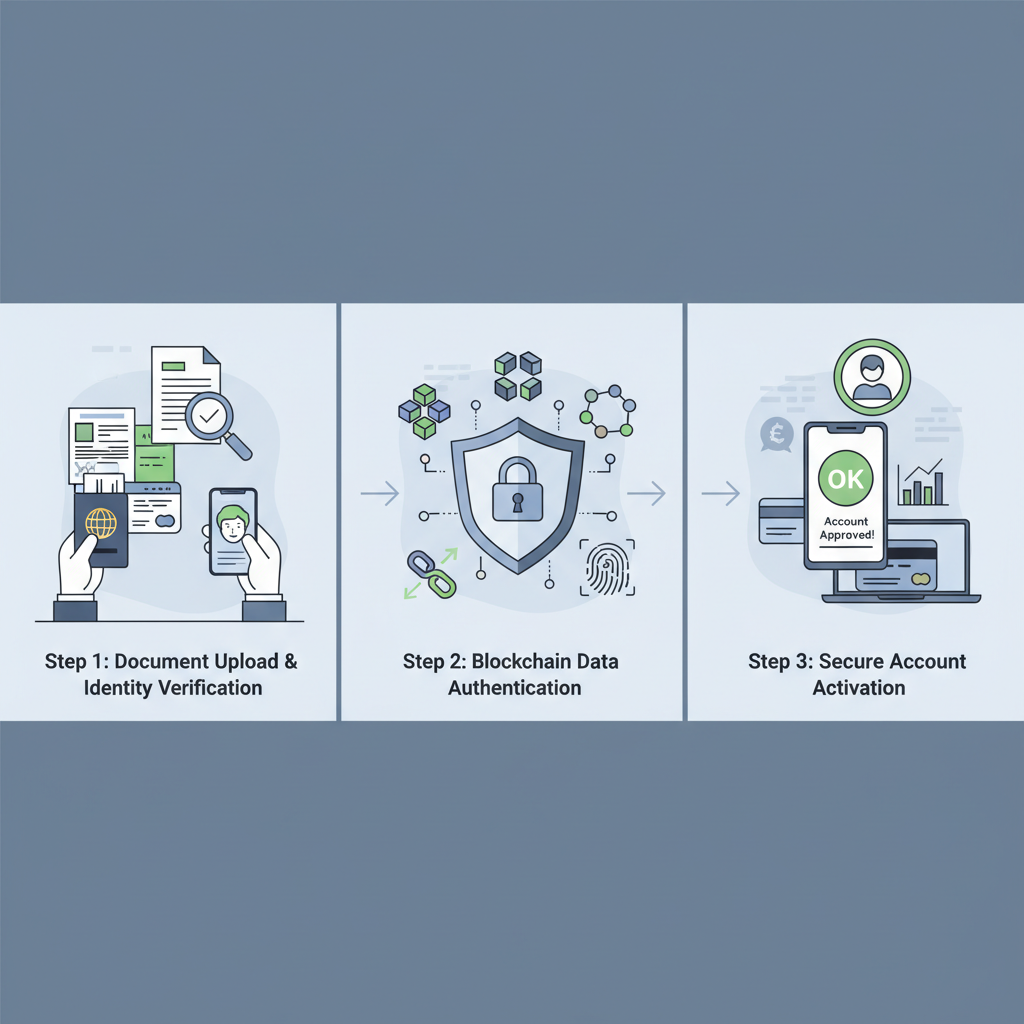
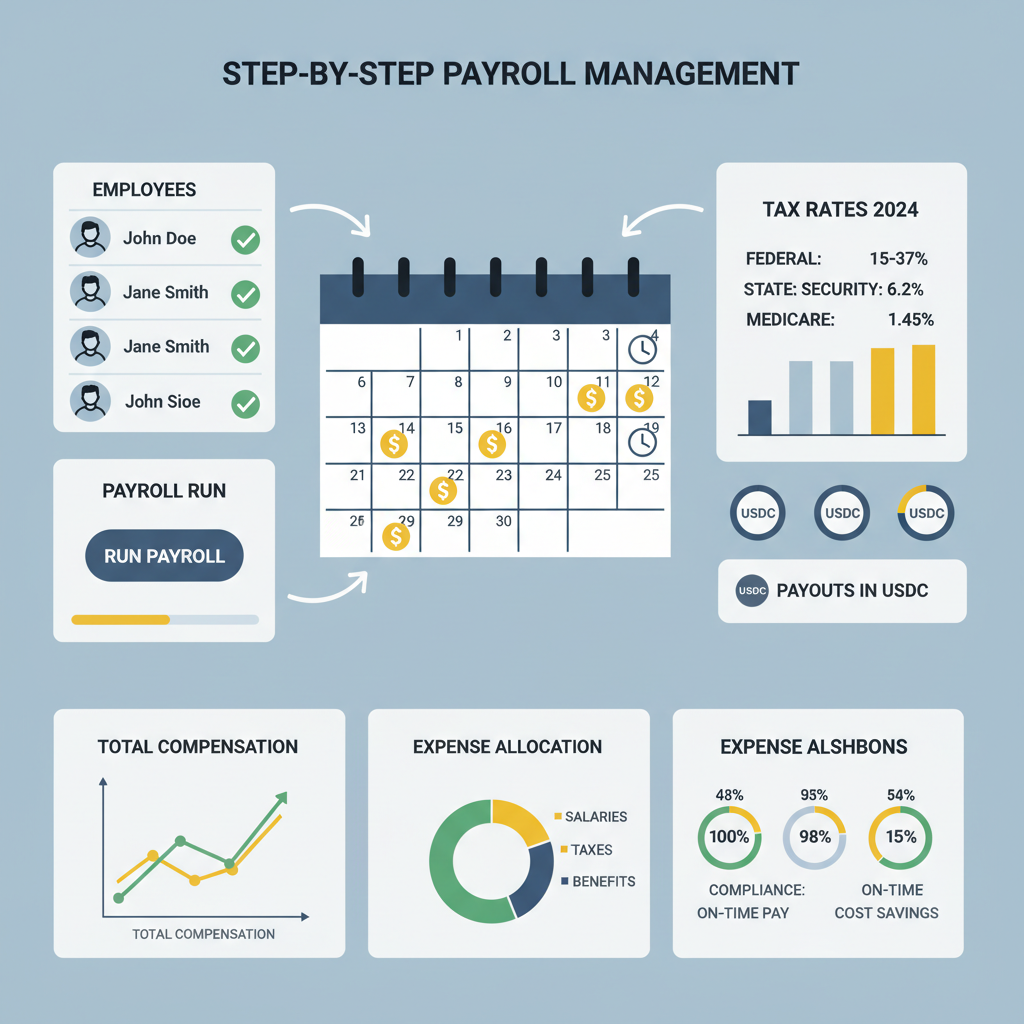
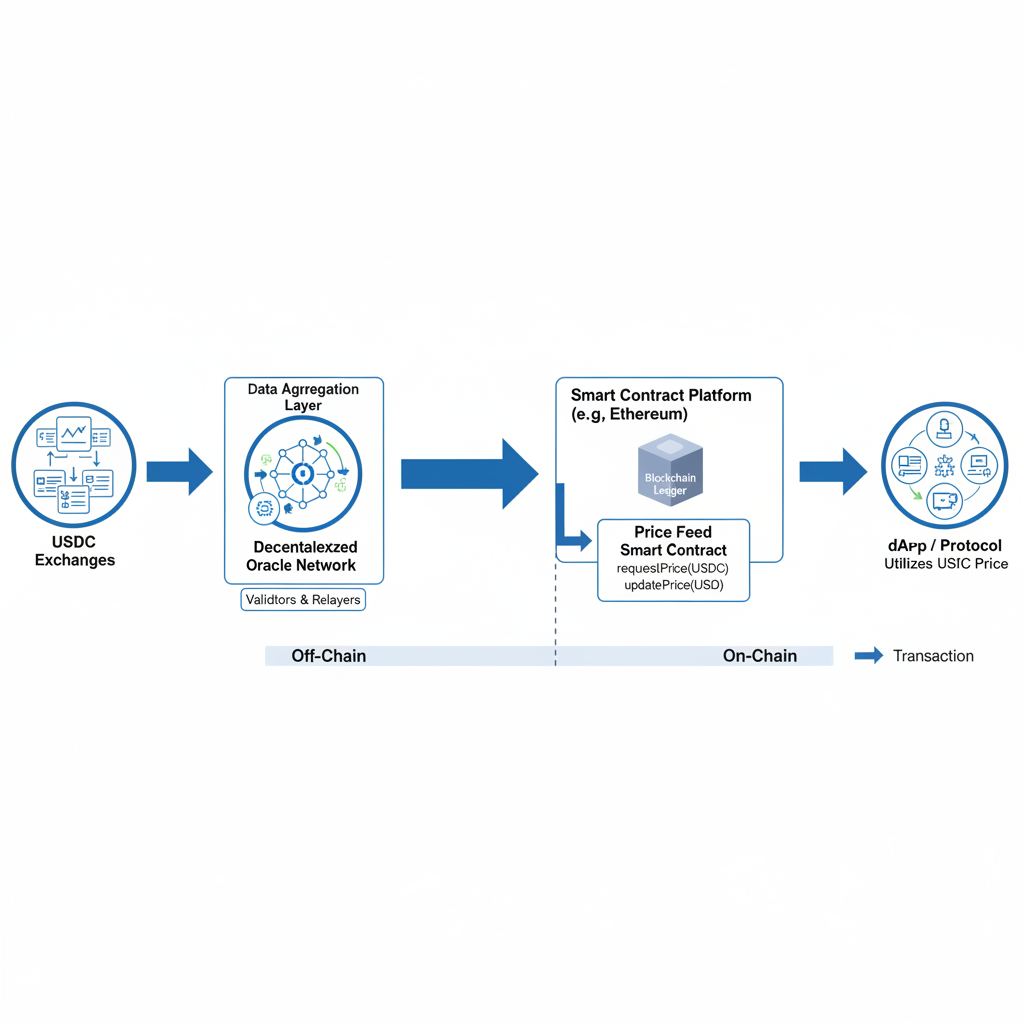
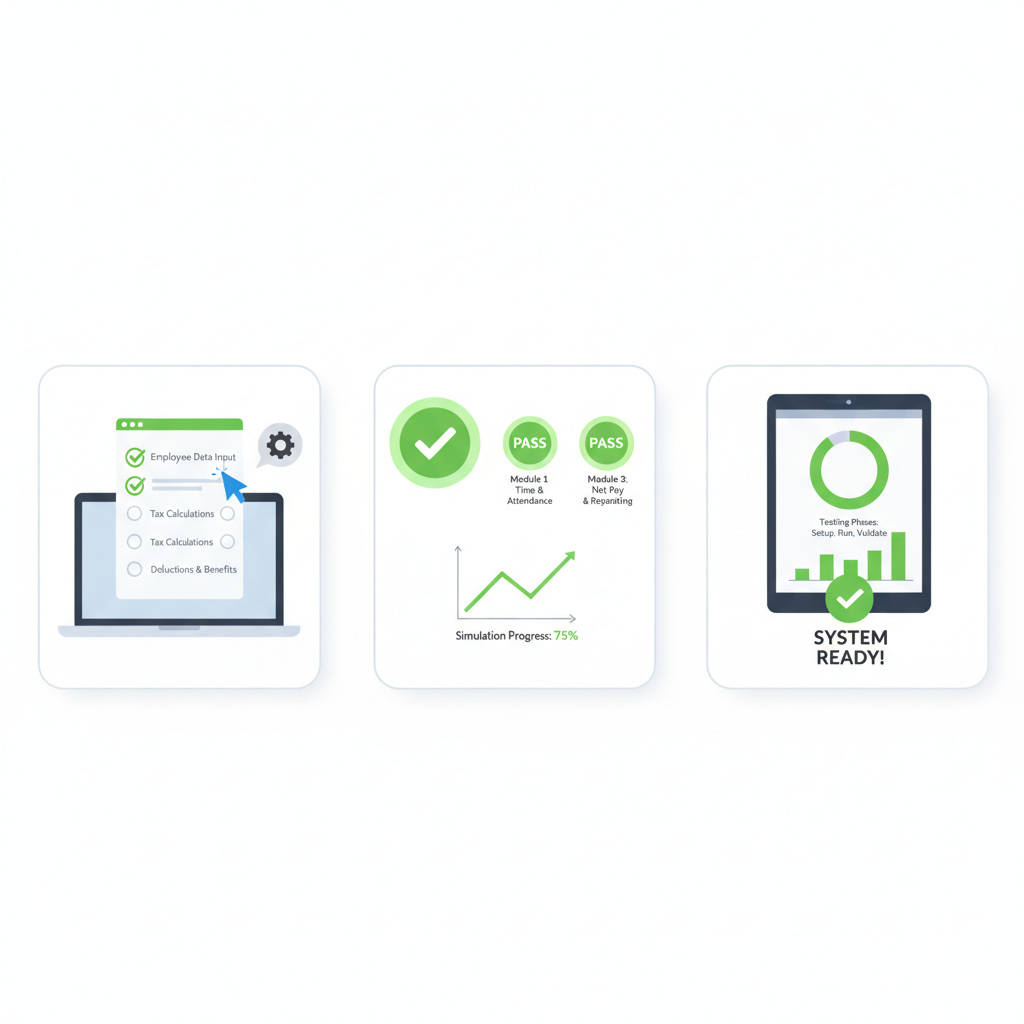
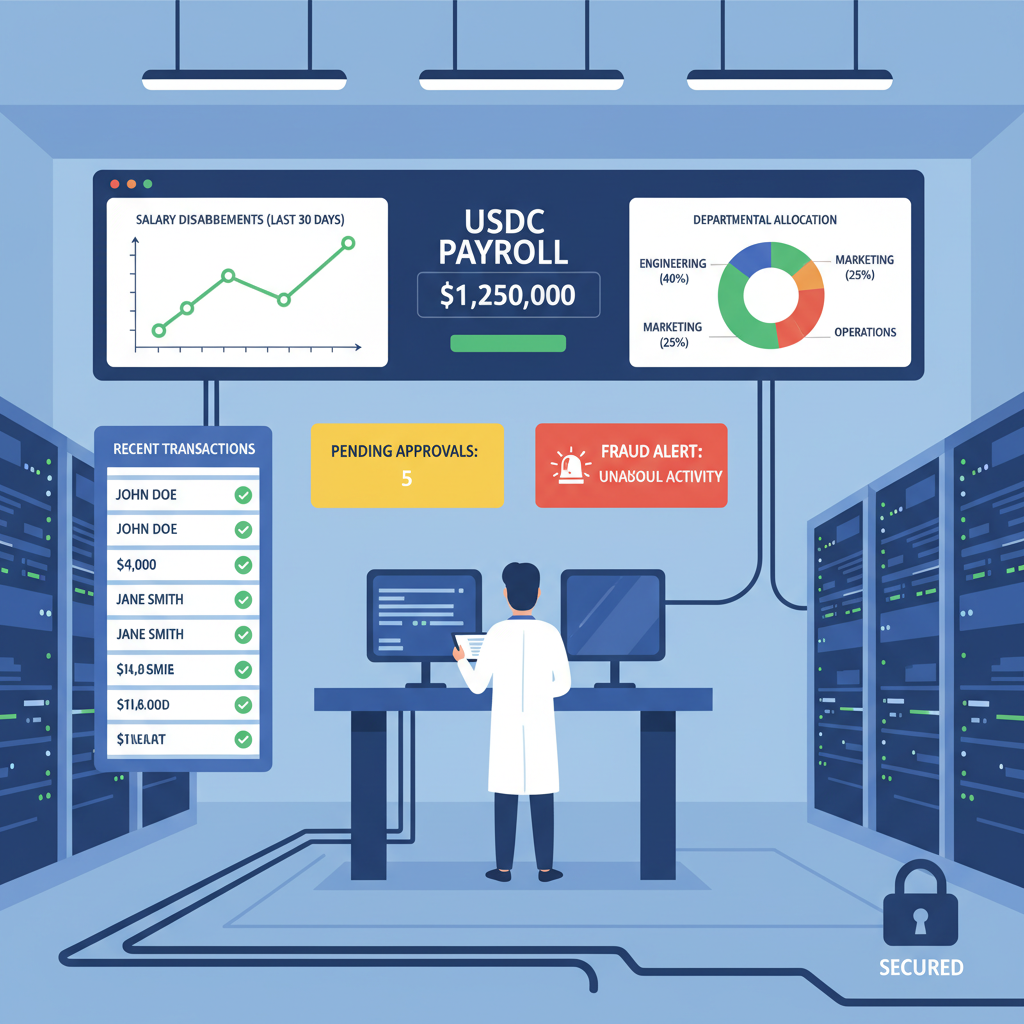
Such tools also accommodate global contractors, converting USDC to local equivalents where needed while flagging state variances. For instance, California’s record-keeping demands integrate seamlessly, generating audit-ready trails. I’ve advised firms through market cycles; those ignoring tech lags in compliance pay dearly in fines, often exceeding 20% of payroll volume.
On-chain payroll transformations highlight how stablecoins cut costs by 40-60% versus wires, yet only with withholding baked in do they scale conservatively. USDCPayrollPro. com exemplifies this, offering recurring payouts, real-time tracking, and fiat bridges for tax authorities.
Mitigating Risks in a Tightening Regulatory Environment
IRS scrutiny intensifies in 2026, with broker reporting capturing all crypto wages and independent verification curbing underreporting. Contractors face self-employment taxes on USDC receipts, while payers risk joint liability for unwithheld amounts. State attorneys general, eyeing revenue, probe depegging events; recall bridged USDC’s 24-hour dip to $0.0148 low, a reminder that even stablecoins warrant safeguards.
Risks vs Mitigations for USDC Payroll Compliance
| Risk | Mitigation |
|---|---|
| Audit penalties | Automated logs |
| Valuation disputes | Oracle proofs |
| State non-compliance | Geo-rules |
| Threshold misses | $2,000 alerts |
| Contractor disputes | Net payouts proof |
Conservative strategies prioritize buffers: over-withhold slightly, reconcile quarterly, and diversify payout rails. Platforms excelling here, like USDCPayrollPro. com, include dispute resolution modules and insurance wrappers, shielding against oracle failures or chain congestion.
Global teams add layers, with non-US contractors navigating dual reporting. US payers issue 1099-NEC for US-taxed work, but tools automate W-8BEN collection to limit exposures. USDC payroll for remote teams proves indispensable, slashing FX fees while upholding programmable USDC payroll compliance.
For blue-chip stability in crypto payroll, opt for vetted providers stress-tested against volatility. USDCPayrollPro. com’s focus on tax withholding, contractor payments, and scalability positions it as a cornerstone for enduring operations. Businesses embedding these now sidestep 2026 pitfalls, channeling savings into diversified growth. Patience in compliance yields compounded returns, much like patient equity holds through cycles.