
Get usdc payroll 2026 right
Before automating payments, align your legal and technical foundations. USDC payroll is not a simple wire transfer; it requires specific compliance checks to avoid regulatory friction. Treat this as a setup phase, not a quick switch.
First, confirm your payroll provider supports USDC on the chains your team uses. Most platforms support USDC on Ethereum and Solana, but cross-chain compatibility varies. Ensure your employees can access their funds without excessive gas fees. If your team spans multiple jurisdictions, verify that the platform handles tax reporting for each region.
Next, map your payroll calendar. USDC transactions are instant, but your accounting cycle is not. Sync your crypto disbursements with your existing bi-weekly or monthly pay periods. Use the 2026 payroll calendar as a reference to ensure tax withholdings and net pay align with traditional fiscal periods. Misalignment here causes reconciliation headaches later.
Finally, test with a small batch. Send test payments to internal accounts before going live. Verify that employees can receive, view, and optionally convert USDC to fiat. This step catches connectivity issues and clarifies the user experience for your talent.
Work through the steps
Running automated USDC payroll requires a shift from traditional bank rails to on-chain settlement. The process starts with platform selection and ends with proof of payment. Follow this sequence to ensure compliance and speed.
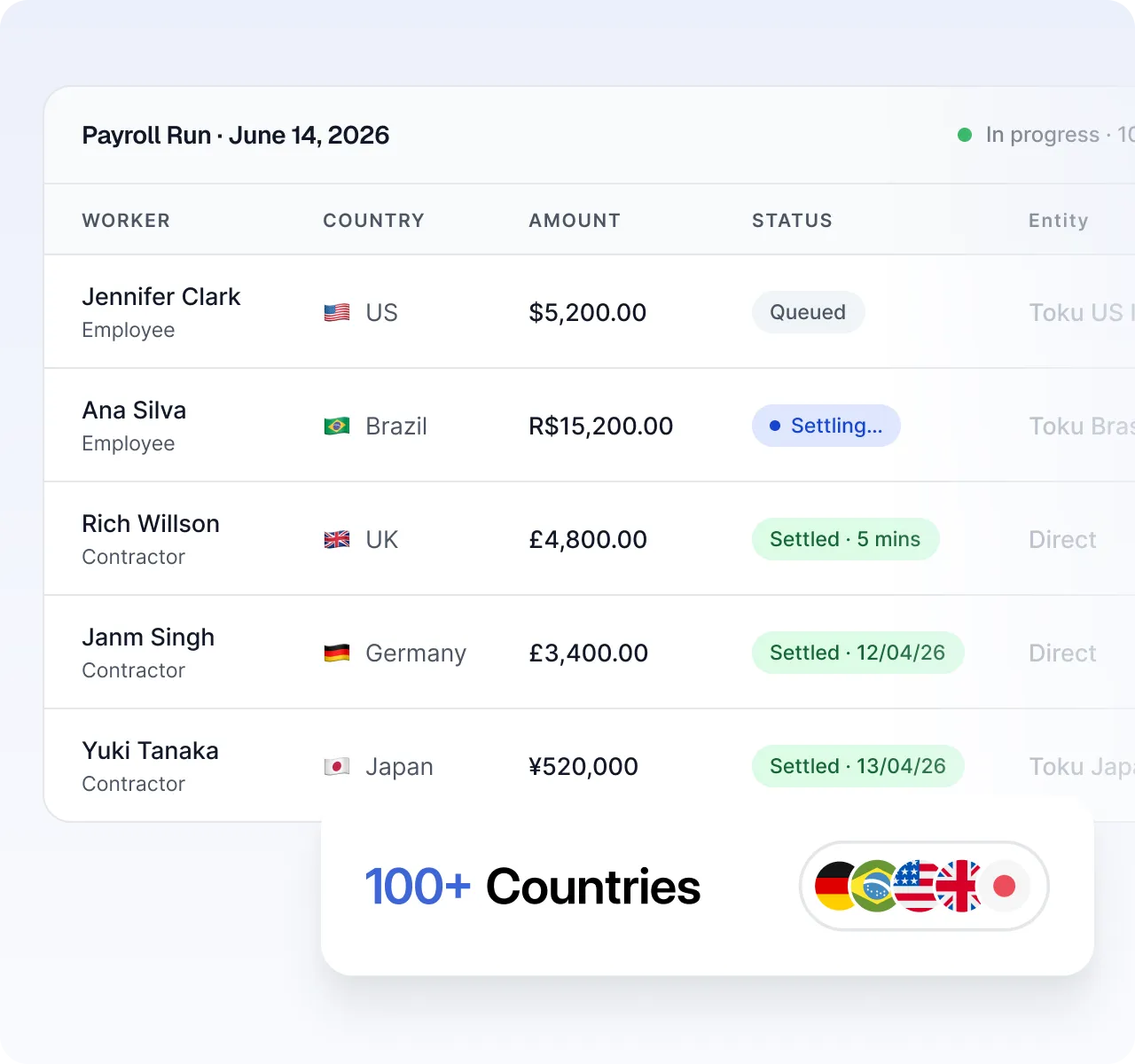
Not all stablecoin payroll providers operate legally in every jurisdiction. Before signing up, confirm that your chosen platform holds necessary money transmitter licenses or regulatory approvals in the states or countries where your team resides. Platforms like Eco, Bitwage, and Rise support USDC, but their compliance frameworks vary. Ensure the platform can generate the tax documents (such as 1099s in the US) required for your accounting software.

Most platforms require a fiat funding source to maintain a USDC reserve for payroll runs. Link your corporate bank account to the payroll provider. You will need to deposit enough USD to cover the upcoming payroll cycle, plus a small buffer for network gas fees. Some platforms offer auto-conversion features, but manual funding gives you better control over timing and exchange rates.
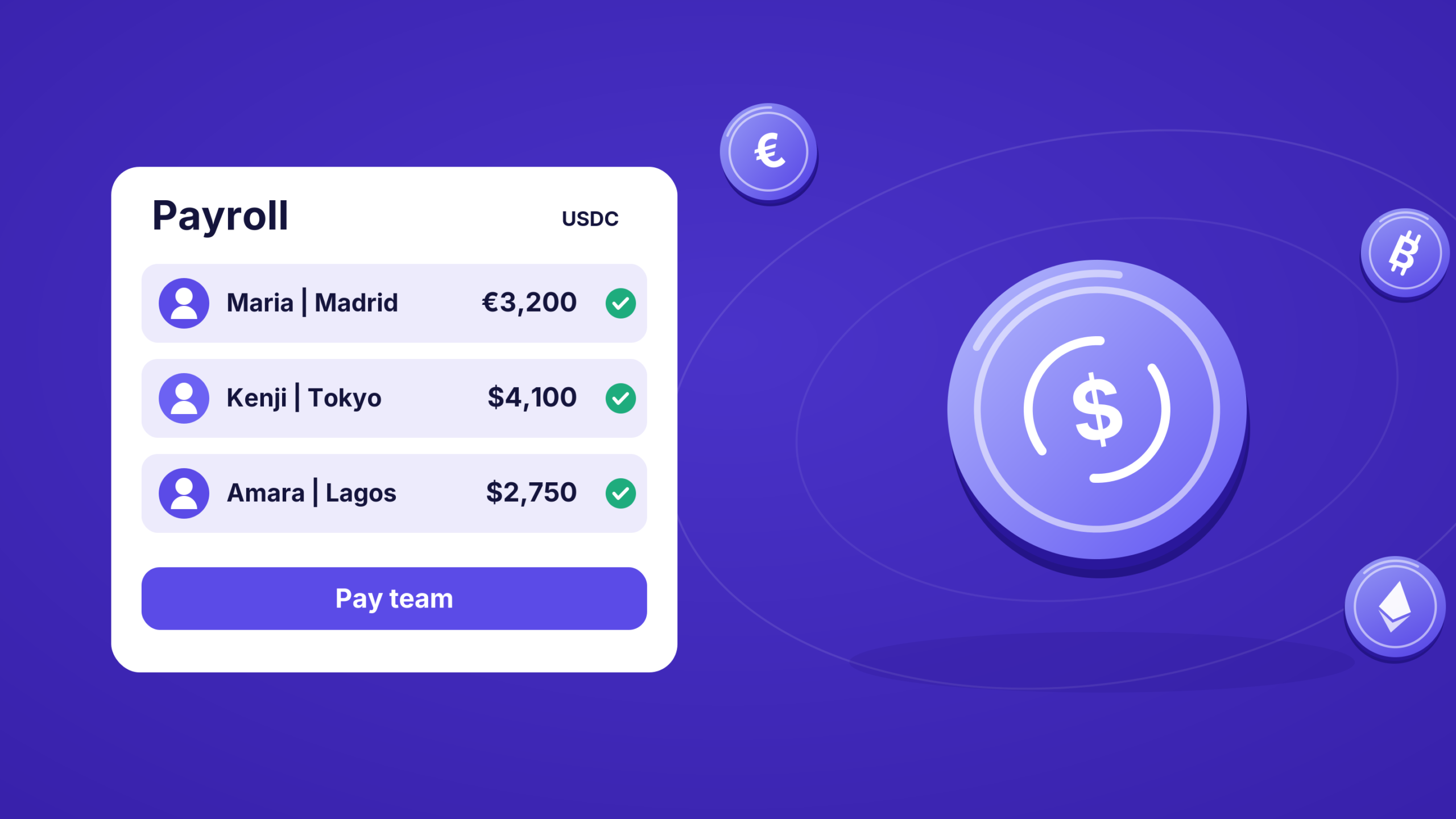
Ask each employee to provide their USDC wallet address. Standardize the network (e.g., Ethereum Mainnet, Polygon, or Solana) to avoid failed transactions. Crucially, collect explicit written consent from employees to receive compensation in stablecoins. This protects your company from disputes regarding payment method changes. Store these records securely within your HRIS or payroll system.
Before processing the full payroll, send a small test amount to one employee’s wallet. Verify that the funds arrive in the correct network and that the employee can access them. This step catches common errors, such as sending USDC on the Ethereum network to a wallet expecting it on Polygon. Once confirmed, proceed with the full batch.
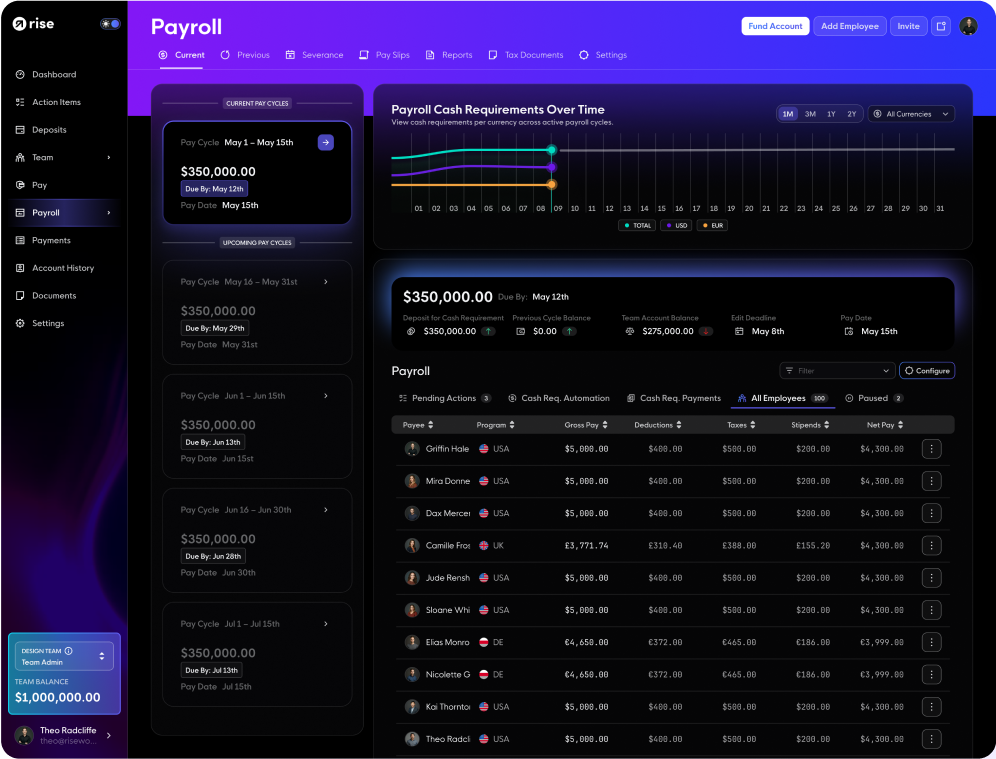
Upload your payroll file or trigger the automated run through the platform’s dashboard. The system will convert your USD to USDC (if not already held) and distribute it to all wallets. Download the transaction hash (TXID) for each payment. Store these hashes alongside your payroll records for audit purposes. This provides immutable proof of payment, which is often more reliable than bank confirmation letters.
-
Confirm platform regulatory status in employee jurisdictions
-
Fund USD reserve and verify network compatibility
-
Collect employee wallet addresses and signed consent forms
-
Execute and verify a test transaction
-
Run payroll batch and archive TXIDs for audit
Fix common mistakes in automated USDC payroll
Automated USDC payroll reduces friction, but it introduces new failure points that manual processes rarely trigger. A single configuration error can delay payments, trigger compliance flags, or leave employees stranded on unsupported networks. Avoid these three common pitfalls to keep your payroll running smoothly.
Ignoring network fees and finality times
USDC exists on multiple blockchains, each with different transaction costs and settlement speeds. Sending payroll on a congested network like Ethereum Mainnet can eat into employee payouts via gas fees, while using a less established chain might risk transaction delays. Always verify that your payroll platform supports the specific network your employees have registered. If an employee expects USDC on Solana, do not send it on Polygon. Mismatched networks result in lost funds or confused recipients.
Overlooking tax reporting and withholding
Automated systems handle the transfer, but they do not automatically calculate jurisdiction-specific tax withholdings. A common mistake is assuming the stablecoin’s value is static for tax purposes. USDC is pegged to the dollar, but exchange rates fluctuate during the payroll window. Your system must capture the exact exchange rate at the moment of conversion or distribution to generate accurate W-2s or 1099s. Failing to lock in these rates creates audit risks and incorrect tax filings for both you and your employees.
Skipping the dry run
Never deploy automated USDC payroll to your entire team without a controlled test. Run a dry run with a small subset of employees or internal staff. This step reveals issues with wallet address formats, notification delays, or platform-specific bugs before real money moves. A failed test is cheap; a failed payroll cycle is expensive and damages trust with your global talent. Verify that employees can actually receive and withdraw the funds before going live.
Usdc payroll 2026: common: what to check next
Before switching to automated stablecoin payroll, teams often hit the same practical roadblocks. Here are the answers to the most frequent questions we see from finance and HR leaders navigating 2026 compliance.
Is there an extra payroll in 2026?
The US federal government has one extra biweekly pay period this year. The 2026 payroll calendar shows two additional pay dates in January and July compared to a standard year. This doesn't change your USDC payroll frequency, but it does affect your cash flow planning. If you pay weekly, you'll process two extra transactions. If you pay biweekly, you'll see an extra payout in those specific months. Plan your stablecoin liquidity accordingly.
Is USDC growing?
Yes. Stablecoin adoption is accelerating in 2026, particularly for cross-border compensation. More companies are turning to USDC payroll to bypass slow banking rails and reduce FX costs. The UK and EU saw significant rollout activity starting in March 2026. While the US timeline remains less defined, the trend is clear: USDC is becoming a standard option for global talent payments.
What is the USDC payment system?
USDC (USD Coin) is a regulated stablecoin pegged 1:1 to the US dollar. It operates on public blockchains like Ethereum and Solana, allowing for near-instant settlement. Unlike traditional wire transfers, USDC payroll doesn't rely on the SWIFT network. This means funds can move globally in seconds, 24/7, without the delays of bank holidays or weekend holds.
Who uses USDC?
Adoption spans from tech startups to established enterprises. Platforms like Bitwage and Rise support USDC alongside other assets, making it accessible to a wide range of organizations. Companies use it primarily to pay remote contractors and global employees who benefit from faster access to earnings and lower transfer fees. It is no longer just for crypto-native firms; it is a practical tool for any company with distributed talent.
No comments yet. Be the first to share your thoughts!