
Automating usdc payroll: the real limits to account for
Automating USDC payroll for global teams sounds simple in theory, but the friction lies in the details. While USDC itself is a stablecoin pegged 1:1 to the US dollar and backed by cash and short-dated U.S. Treasuries, the act of paying someone isn't just a blockchain transaction. It is a compliance event that touches tax, labor law, and financial regulations in multiple jurisdictions.
The primary constraint is not the speed of the network, but the verification of the recipient. Automated systems must handle KYC/AML checks in real time. If your platform cannot instantly verify that a contractor's wallet is compliant with local sanctions lists, the automation fails. This is where many "crypto payroll" tools stumble, offering speed without the necessary regulatory guardrails.
Another hidden constraint is the local tax withholding. USDC is still property in the eyes of the IRS and many other tax authorities. Automating payments requires integrating with payroll software that can calculate and withhold the correct amounts before the USDC leaves your treasury. Without this, you are not automating payroll; you are just sending gifts, which creates massive liability.
Finally, consider the employee's experience. While you might pay in USDC, your team likely needs fiat to pay rent. If your automation doesn't include a seamless, low-cost off-ramp or a local bank transfer integration, you are shifting the FX burden and risk onto your workers. True automation means the employee receives usable funds, not just tokens they have to manage themselves.
Usdc payroll automation choices that change the plan
Switching from fiat wire transfers to USDC payroll introduces distinct operational variables. While settlement speed and cross-border accessibility improve, the tradeoff involves navigating regulatory compliance and managing the volatility of non-USDC local payouts. The following comparison breaks down the concrete factors your finance team must evaluate before committing to a stablecoin payroll workflow.
| Factor | USDC + Fiat Gateway | Full Crypto Payroll | Hybrid Model |
|---|---|---|---|
| Settlement Speed | Fast (minutes to hours depending on gateway) | Near-instant (blockchain dependent) | Variable (crypto to fiat conversion time) |
| FX Risk | Low (managed by gateway) | High (contractor bears volatility) | Medium (partial exposure) |
| Compliance Burden | High (KYC/AML for fiat off-ramp) | Medium (on-chain transparency) | High (dual regulatory tracking) |
| Contractor Preference | High (access to local bank accounts) | Low (requires crypto wallets) | Medium (flexibility for contractors) |
| Operational Cost | Medium (gateway fees + network gas) | Low (network gas only) | Medium-High (dual processing fees) |
Settlement and FX Management
The primary advantage of USDC is speed, but the tradeoff lies in how local currency is delivered. With a USDC-to-fiat gateway, you send stablecoins that are immediately converted to local currency for the recipient. This removes exchange rate risk from your contractor but introduces gateway fees and potential delays during off-ramping. A full crypto model avoids these fees but forces your team to manage the risk that a contractor’s local currency might fluctuate while they hold USDC. Most global teams opt for the gateway model to ensure contractors receive predictable local income, treating the gateway fee as a cost of compliance and convenience.
Compliance and Regulatory Overhead
Automating USDC payroll does not eliminate regulatory scrutiny; it shifts it. You must ensure your payroll provider supports real-time KYC/AML checks for both the sender and the recipient. If you use a hybrid model, where some payments are in USDC and others in fiat, you increase the administrative burden of tracking two distinct ledgers. Full crypto payroll simplifies the ledger but may face resistance from contractors in jurisdictions with strict crypto regulations or limited access to digital wallets. The tradeoff here is between operational simplicity and regulatory coverage.
Contractor Adoption and Liquidity
The final tradeoff is human. Even if USDC is technically efficient, your contractors’ ability to use it determines success. A significant portion of the global workforce prefers direct fiat deposits into local bank accounts. Forcing a full crypto model can lead to churn or delayed payments if contractors struggle with wallet security or liquidity. The most effective approach often involves offering a choice: USDC for those who want speed and lower fees, and fiat for those who need traditional banking integration. This flexibility requires a payroll platform that can handle both streams seamlessly, which is why many companies choose hybrid solutions despite the higher complexity.
Choose the right USDC payroll platform
Selecting a payroll provider for global teams requires balancing automation capabilities with strict regulatory adherence. Because USDC operates on public blockchains while payroll laws remain jurisdiction-specific, the platform must bridge both worlds without creating compliance gaps.
Look for vendors that handle KYC/AML checks automatically and support real-time tax reporting across multiple countries. The best solutions reduce manual data entry by syncing directly with your existing HRIS, ensuring that employee records and payment histories remain consistent and auditable.
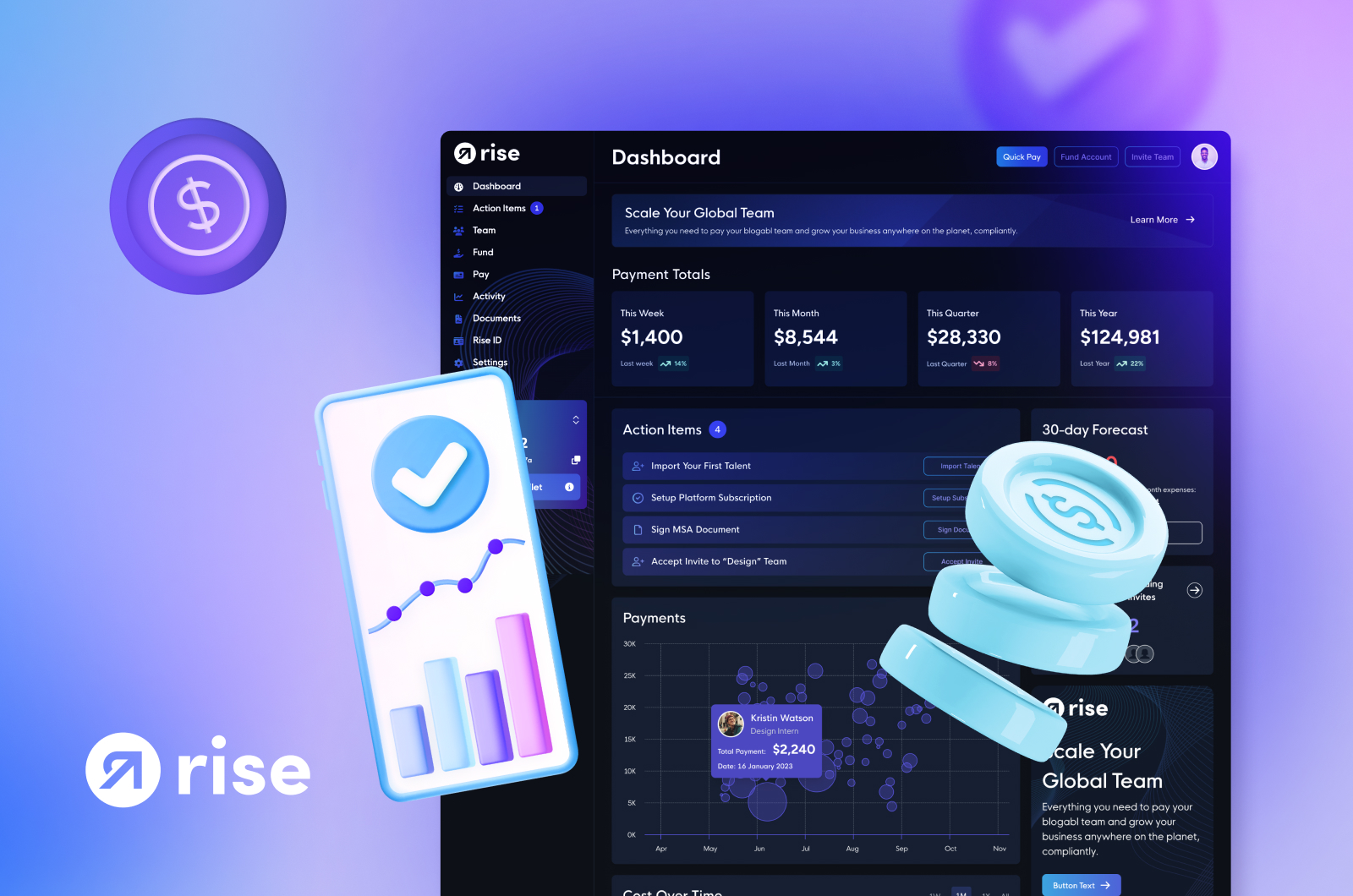
Ensure the platform supports automated KYC/AML checks and real-time tax compliance across your team's jurisdictions. This prevents legal risks associated with cross-border payments.
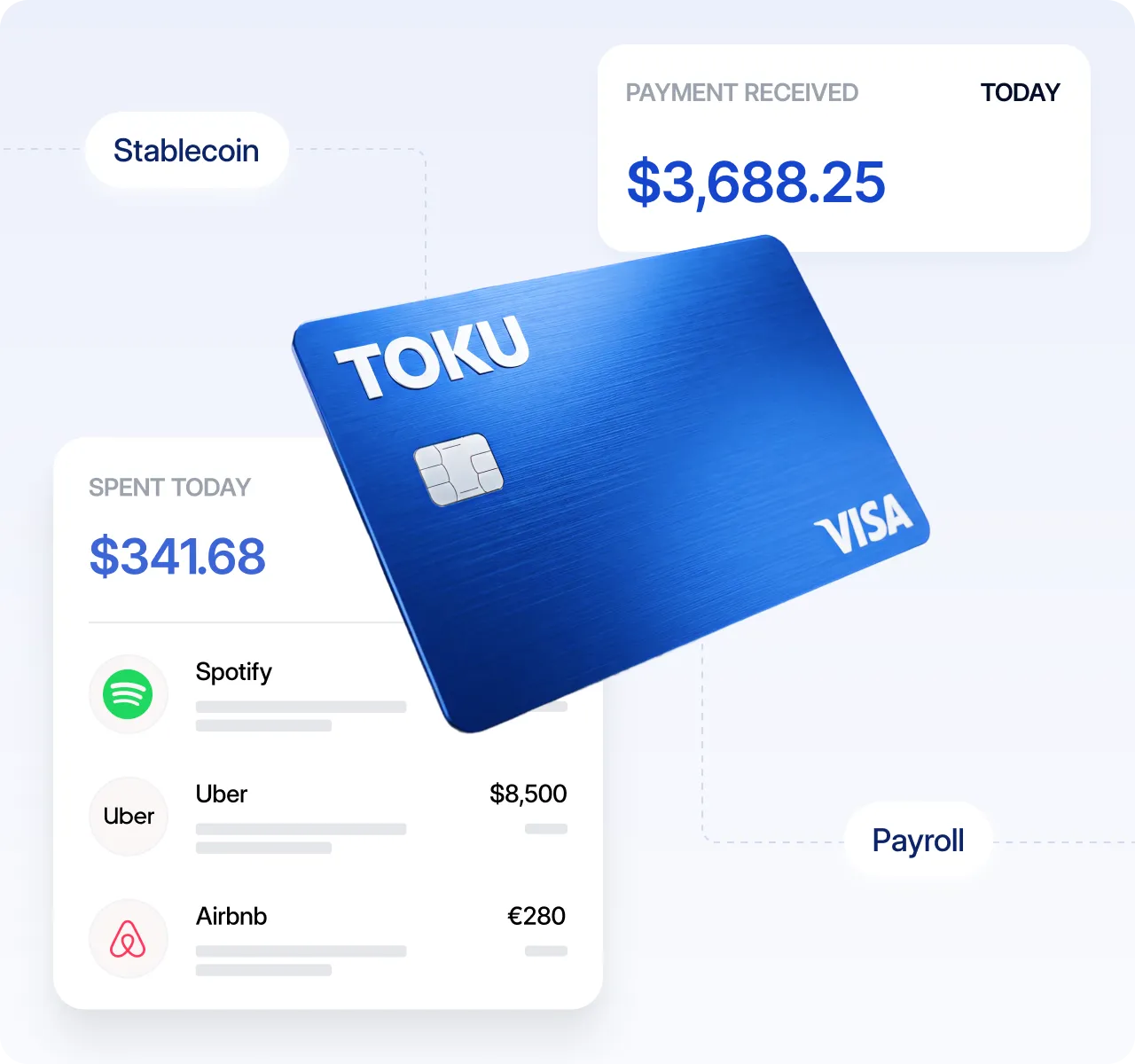
Choose a system that syncs with your current HRIS and accounting software. This reduces manual errors and keeps your financial records aligned with payroll cycles.
Confirm the platform uses USDC backed by cash and short-dated U.S. Treasuries. Transparent monthly attestations ensure the currency maintains its value for your global workforce.
| Feature | Standard | Advanced |
|---|---|---|
| KYC/AML Automation | Manual | Automated |
| Multi-currency Support | Limited | Global |
| Tax Reporting | Basic | Real-time |
Watchouts for USDC Payroll Automation
Automating payroll in USDC simplifies cross-border payments, but it introduces specific compliance and operational risks that standard fiat workflows do not. Many providers claim "full automation," yet often rely on manual interventions for tax withholding or local regulatory reporting. This section identifies the most common pitfalls to avoid when structuring your global payroll system.
Misleading "100% Automated" Claims
Some platforms market themselves as fully autonomous, implying that USDC transfers require no human oversight. In reality, payroll involves complex, jurisdiction-specific tax calculations that rarely fit into a single smart contract. If a provider cannot explicitly detail how they handle local income tax deductions, social security contributions, or withholding obligations, the system is likely incomplete. You must verify that the automation covers the entire compliance chain, not just the token transfer.
Weak FX Hedging Options
While USDC is pegged to the USD, your employees may live in economies with volatile local currencies. A common mistake is assuming that paying in USDC eliminates foreign exchange risk for the recipient. If your payroll platform does not offer robust, real-time FX conversion or hedging tools, employees may face significant purchasing power erosion. Look for providers that integrate with regulated FX partners to offer stable local currency payouts or transparent conversion rates at the time of payment.
Overlooking KYC/AML Gaps
Automating payroll does not exempt you from Know Your Customer (KYC) and Anti-Money Laundering (AML) obligations. Some streamlined platforms skip rigorous identity verification for contractors, exposing your company to regulatory liability. Ensure the platform performs continuous monitoring and maintains audit trails for every payment. Failure to integrate proper compliance checks can lead to frozen funds or legal penalties, negating the efficiency gains of automation.
Faq: usdc payroll automation: what to check next
Is USDC a reliable payroll currency?
USDC is not a speculative asset; it is a digital dollar. Its stability comes from being fully backed by high-quality reserves, meaning one USDC always equals one U.S. dollar. For payroll, this means you avoid the volatility risk of Bitcoin or Ethereum. Your team receives the exact value they expect, and you avoid the hedging costs associated with traditional foreign exchange.
Can I automate USDC payroll for global teams?
Automation is the primary advantage of using USDC for payroll. Instead of manual bank transfers, you can set up recurring schedules through platforms like Toku or Deel. These tools connect to your corporate treasury, verify contractor identities (KYC), and distribute payments instantly. This reduces administrative overhead and ensures compliance with local tax and labor laws across borders.
What are the risks of using USDC for payroll?
The main risk is operational, not financial. If you send USDC to the wrong wallet address, the funds are irretrievable. However, reputable payroll platforms mitigate this by requiring verified wallet addresses and offering transaction reviews. Additionally, while USDC is stable, it is still a cryptocurrency. Ensure your accounting team is comfortable with crypto asset reporting and that your legal counsel has reviewed the regulatory landscape in your team’s jurisdictions.
No comments yet. Be the first to share your thoughts!