
How USDC payroll automation actually works
USDC payroll automation replaces manual bank transfers with programmable smart contracts that execute payments on-chain. Instead of waiting days for SWIFT clearing, your payroll system triggers a transaction that settles in seconds, regardless of time zones or borders. This shift reduces friction for global teams, but it requires careful setup to handle compliance and tax reporting correctly.
The core mechanism relies on Circle’s infrastructure to maintain USDC’s 1:1 peg with the US dollar. When you automate payroll, you are essentially building a workflow where employee wallets receive stablecoins directly. This eliminates intermediary banks and their associated fees, which can range from $20 to $50 per transaction for international wires. For companies with distributed teams, this cost saving is immediate and significant.
However, automation introduces new technical constraints. You must ensure that the payroll software integrates with blockchain networks securely. Circle provides tools like Programmable Wallets to simplify this, allowing developers to build custom solutions with minimal code. The trade-off is that you need in-house technical expertise or a specialized vendor to manage the smart contracts and wallet security.
While the savings are clear, the implementation is not trivial. You need to decide whether to use a hybrid model that converts USDC to local fiat for employees or pay directly in crypto. Each approach has different regulatory implications. For most US-based companies, starting with a hybrid model offers a safer path to compliance while still leveraging the speed and low cost of USDC.
Usdc payroll automation choices that change the plan
Switching to USDC for payroll cuts cross-border friction, but it introduces treasury complexity that traditional banking never required. The primary tradeoff is no longer transaction speed or FX markup—it is operational risk and compliance overhead. When payroll moves on-chain, the finance team becomes the settlement layer. This shift demands rigorous checks on liquidity management, chain selection, and regulatory alignment.
Liquidity and Treasury Orchestration
Automating stablecoin payroll is rarely a simple payments problem; it is a treasury orchestration challenge. If your treasury is fragmented across multiple chains or wallets, funding payroll accounts becomes a manual bottleneck that defeats the purpose of automation. The risk of failed transactions due to insufficient gas or mismatched chain networks is real. Teams must evaluate whether their current treasury infrastructure can support automated, multi-chain disbursements or if they need a dedicated orchestration layer to manage liquidity routing.
Compliance and Regulatory Reporting
Stablecoin payments trigger the same reporting obligations as fiat wires, but the data trails look different. You must ensure your payroll platform captures on-chain transaction hashes, wallet addresses, and smart contract interactions in a format that auditors and tax authorities accept. Hybrid platforms that convert USDC to local fiat for employees often simplify this by handling the compliance layer off-chain. However, pure on-chain solutions require robust internal controls to track beneficial ownership and prevent accidental sanctions violations, which is critical for high-stakes legal and regulatory environments.
Exchange Rate and Volatility Exposure
While USDC is pegged to the dollar, the act of converting corporate fiat into stablecoins and then disbursing them introduces brief windows of exposure. If your company holds USDC on its balance sheet, you must manage the risk of de-pegging events, however rare. More commonly, the tradeoff lies in the conversion process: some platforms charge spreads when converting USDC back to fiat for employees who prefer bank deposits. Evaluating these hidden FX costs is essential to realizing the full benefit of lower cross-border fees.
| Tradeoff Factor | Primary Risk | Mitigation Strategy |
|---|---|---|
| Treasury Liquidity | Failed transactions due to fragmented funds | Use a centralized treasury or orchestration layer |
| Compliance | Inconsistent audit trails across chains | Choose platforms with built-in tax reporting |
| FX Spreads | Hidden conversion fees at payout | Compare hybrid vs. pure on-chain models |
| Chain Selection | Gas fees or network congestion delays | Select low-cost, high-throughput networks |
The stability of USDC is generally reliable, but monitoring its peg against the dollar during market stress is a standard practice for any treasury managing significant stablecoin holdings. A provider-backed chart helps visualize any deviations from parity in real-time, ensuring you are not holding exposure during volatile periods.
How to Choose the Right AI Payroll Platform for USDC
Selecting a USDC payroll solution requires balancing compliance requirements with technical flexibility. Most platforms fall into two categories: fully managed services that handle fiat conversion and tax reporting, or programmable infrastructure that requires you to build the compliance layer yourself. Your choice depends on whether you prioritize speed to market or long-term cost control.
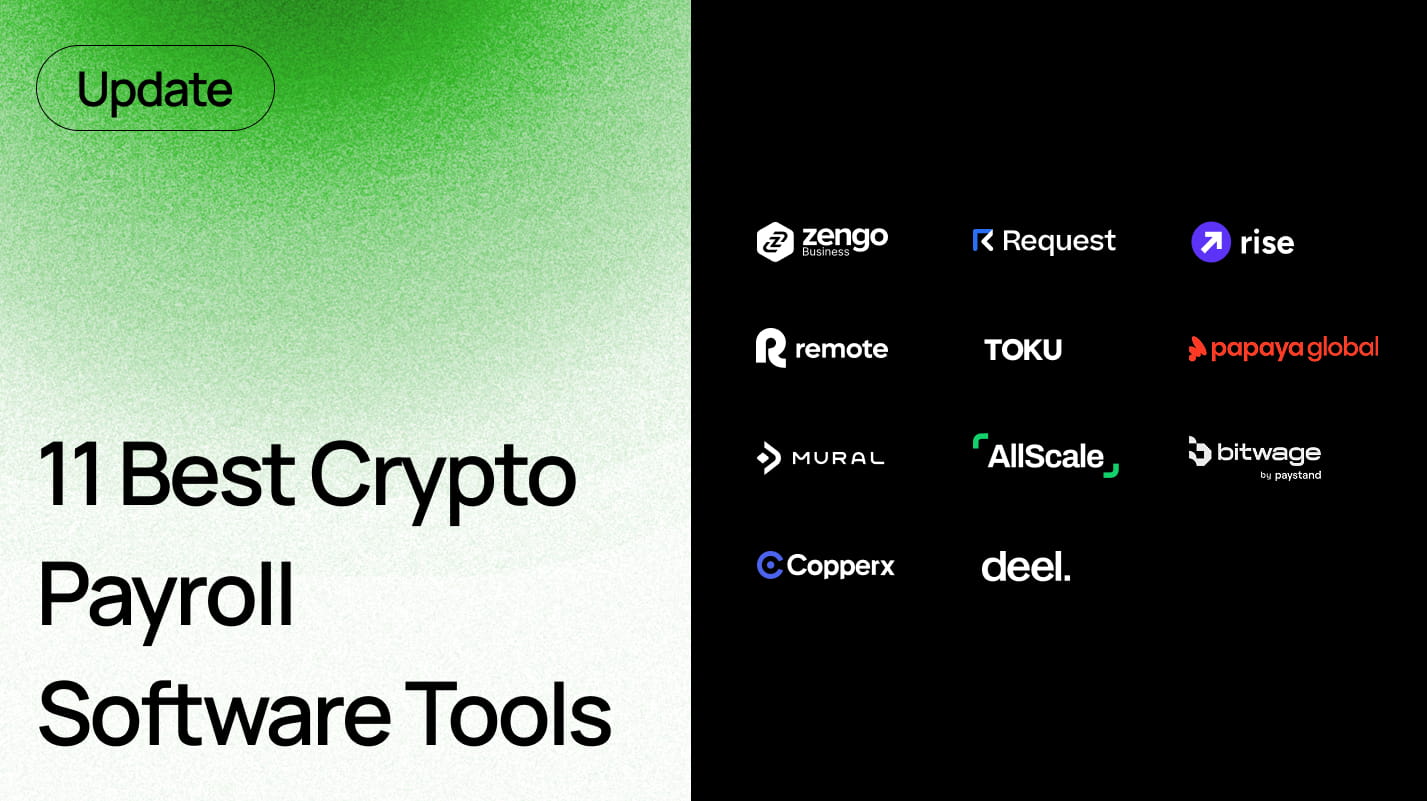
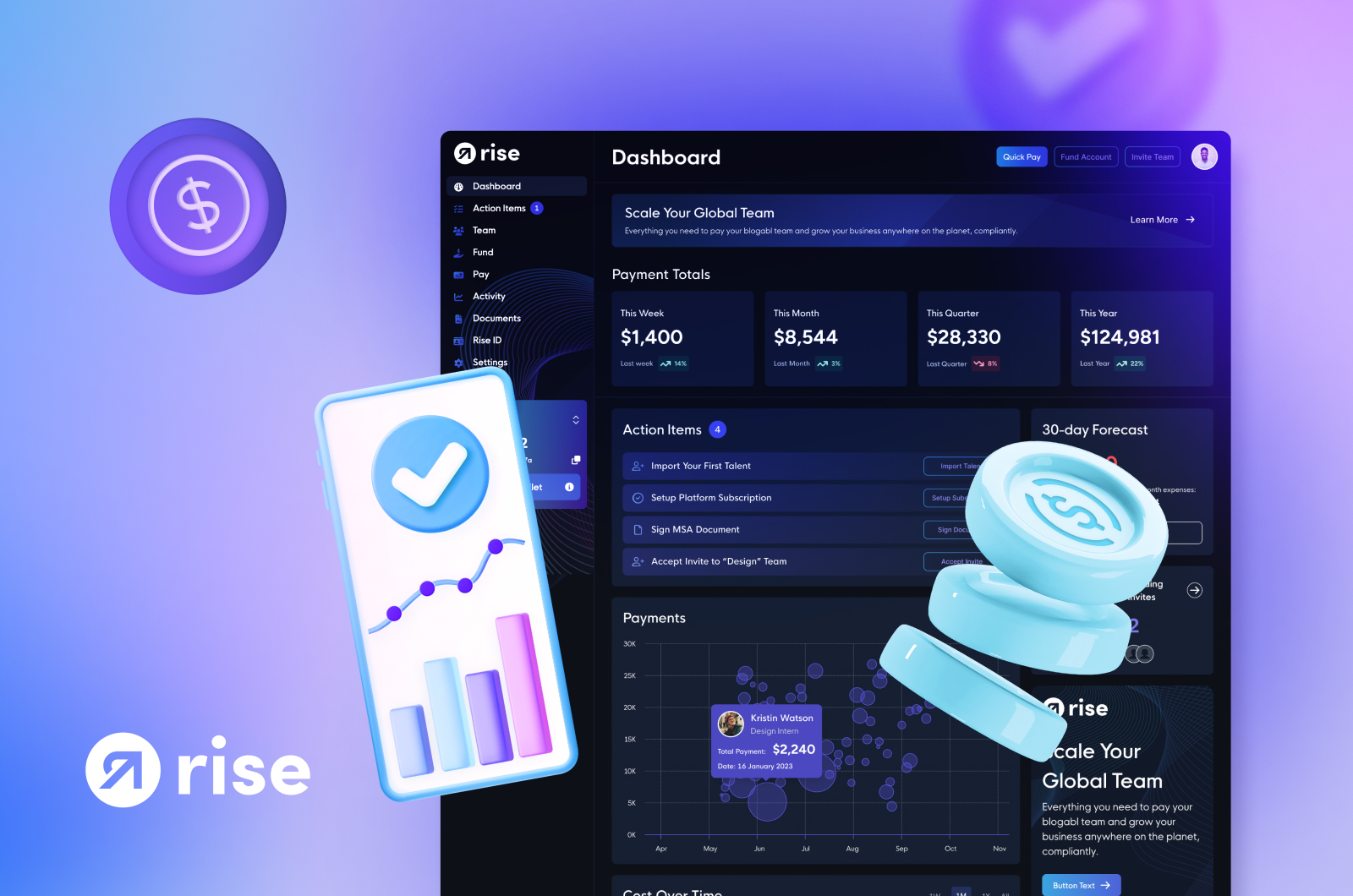
Before integrating USDC, identify which jurisdictions your contractors reside in. Platforms like Rise offer hybrid models that automatically handle fiat off-ramping and local tax forms, reducing your administrative burden. If you choose a programmable wallet solution from Circle, you must build your own KYC/AML checks into the smart contract logic, which increases development time but lowers per-transaction fees.
Not all platforms support USDC directly on major chains like Ethereum or Solana. Check if the platform charges a spread on the conversion rate or a flat fee per transaction. Native support on Layer 2 networks often reduces gas costs to fractions of a cent, whereas Ethereum Mainnet can still cost several dollars per payout depending on network congestion.
Look for platforms offering robust APIs and SDKs. Circle’s Agent framework allows you to automate payment schedules using simple code snippets. Evaluate how quickly you can deploy a test payout to a contractor’s wallet. If the platform requires manual approval for every transaction, it defeats the purpose of automation.


As an Amazon Associate, we may earn from qualifying purchases.
The right platform should feel like a utility, not a bottleneck. Prioritize solutions that let you automate recurring payments while keeping full visibility into the compliance trail. If your team has strong engineering resources, programmable wallets offer the best long-term value. For faster deployment, managed platforms provide immediate stability.
Common Mistakes in USDC Payroll Automation
Many teams treat stablecoin payroll like a standard bank transfer, ignoring the unique risks of blockchain settlement. This oversight often leads to failed payments, compliance gaps, or unexpected tax liabilities. Before integrating USDC into your payroll workflow, review these frequent pitfalls to avoid costly errors.
Assuming USDC is Always Pegged to $1.00
While USDC is designed to maintain a 1:1 peg with the US dollar, depeg events can occur during periods of extreme market stress or regulatory news. Relying on a static $1.00 valuation for payroll budgets without real-time checks can expose your company to FX risk. Always verify the current market price via a provider-backed widget before initiating bulk payments.
Overlooking the Fiat On-Ramp Friction
Automating crypto disbursement is only half the equation. Your contractors or employees must be able to convert USDC into their local currency for daily expenses. If your platform does not support seamless on-ramping or if your recipients lack crypto wallets, the automation fails. Choose platforms that offer integrated fiat conversion or clear guidance for onboarding non-crypto-native staff.
Ignoring Tax Reporting Complexity
In many jurisdictions, receiving USDC is a taxable event, distinct from receiving fiat. Automated payroll systems must generate accurate transaction records for each payment date, amount, and prevailing exchange rate. Without this granularity, your finance team will struggle to reconcile books during tax season. Ensure your chosen platform exports detailed, audit-ready reports compatible with your accounting software.
Usdc payroll automation: what to check next
Running payroll in USDC removes traditional banking friction, but it introduces new operational realities. Here are the practical answers to the most common concerns before you switch.
The shift to stablecoin payroll is less about speculation and more about treasury efficiency. By treating USDC as a programmable settlement layer, you reduce the latency and cost of moving money globally.
No comments yet. Be the first to share your thoughts!