
Get USDC payroll 2026 right
Before you process your first stablecoin payroll, you need to align your legal, tax, and technical infrastructure. Unlike traditional fiat rails, crypto payroll involves distinct compliance layers that vary by jurisdiction and employee location.
1. Verify Employee Eligibility and Consent
Not all employees can or should be paid in USDC. Start by reviewing your employment contracts and local labor laws. In many jurisdictions, you must obtain explicit written consent to pay in cryptocurrency, and you may need to offer a fiat alternative. Ensure your payroll provider supports the specific countries where your team resides, as regulatory restrictions on stablecoin usage vary significantly.
2. Configure Tax Withholding and Reporting
USDC payroll does not automatically handle tax withholding. You must determine how to calculate and remit federal, state, and local taxes. Many employers choose to pay employees in USDC but withhold taxes in fiat, or use a payroll intermediary that converts a portion of the salary to cover tax liabilities. Verify that your system can generate accurate W-2s or international equivalents for crypto compensation, as the IRS treats cryptocurrency as property, not currency.
3. Select a Compliant Payroll Provider
Choose a provider that specializes in crypto payroll rather than a standard exchange. Look for platforms that offer automated compliance checks, secure wallet management, and instant settlement to the blockchain. Avoid direct transfers from corporate wallets without an intermediary, as this can create audit trails that are difficult to reconcile and may trigger anti-money laundering (AML) flags. Providers like Riseworks or Eco often integrate with existing HR systems to streamline this process.
4. Test with a Small Batch
Run a pilot payroll with a small group of employees before rolling it out company-wide. This allows you to verify that tax calculations are correct, that employees can successfully receive and withdraw USDC, and that your accounting software records the transactions accurately. Use this phase to identify any friction points in the user experience or compliance reporting.
Work through the steps
The to Automated USDC Payroll works best as a clear sequence: define the constraint, compare the realistic options, test the tradeoff, and choose the path with the fewest hidden costs. That order keeps the advice usable instead of decorative. After each step, pause long enough to check whether the recommendation still fits the reader's actual situation. If it depends on perfect timing, unusual access, or a best-case budget, include a simpler fallback.

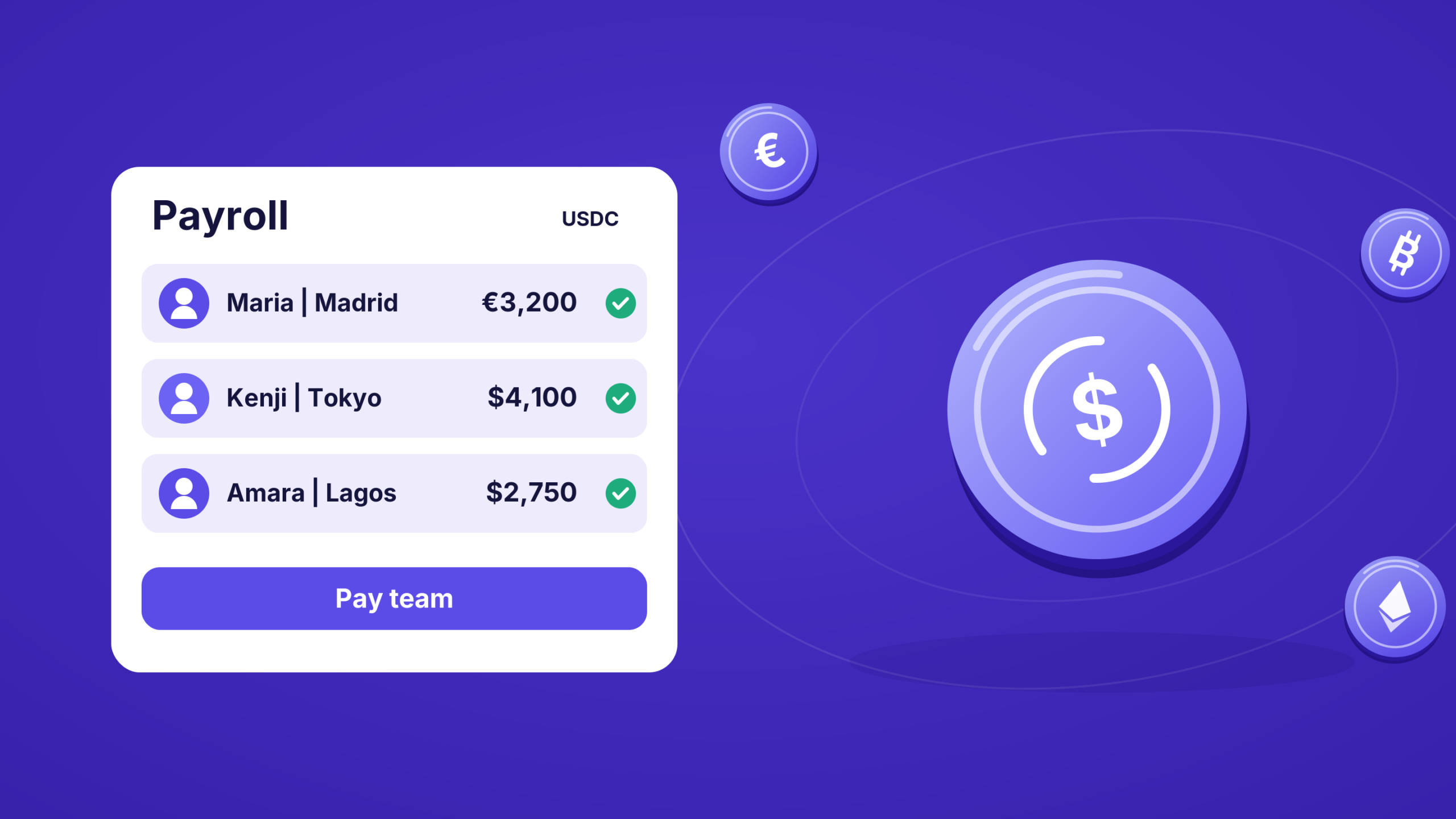
Common Automated USDC Payroll Mistakes
Automated USDC payroll offers speed, but the margin for error is thin. A single configuration mistake can trigger tax penalties, compliance flags, or failed payments. These errors usually stem from treating crypto like traditional fiat without adjusting for blockchain mechanics and regulatory requirements.
Ignoring Tax Reporting Requirements
The biggest risk is assuming that because USDC is a stablecoin, it doesn’t trigger tax events. In the US, every distribution of USDC is a taxable event. If your payroll system doesn’t automatically calculate and report the fair market value at the time of transfer, you will face discrepancies during audits. Ensure your provider generates IRS-compliant 1099 forms for contractors and W-2s for employees, capturing the exact USD value at the moment of payout.
Failing to Verify Wallet Addresses
Blockchain transactions are irreversible. Unlike a bank transfer that can be recalled, sending payroll to a wrong wallet address means the funds are gone. Automated systems must include a mandatory confirmation step where employees verify their receiving addresses. Implementing a "test payment" protocol before full-scale rollout helps catch typos and ensures the address format matches the specific blockchain network (e.g., Ethereum vs. Solana) you are using.
Overlooking Network Fee Volatility
While USDC itself is stable, the transaction fees (gas) vary by network and congestion. If your payroll automation doesn’t account for these fees, you might end up paying them out of pocket or, worse, having transactions fail due to insufficient gas. Always budget for network costs separately or use layer-2 solutions that offer predictable, low fees to ensure employees receive their full intended amount without delays.
Usdc payroll 2026: what to check next
Stablecoin payroll moves faster than traditional bank rails, but the mechanics differ from what you might expect. Before switching your compensation strategy, clarify how the settlement timing works and how federal pay periods align with blockchain transactions.
No comments yet. Be the first to share your thoughts!